
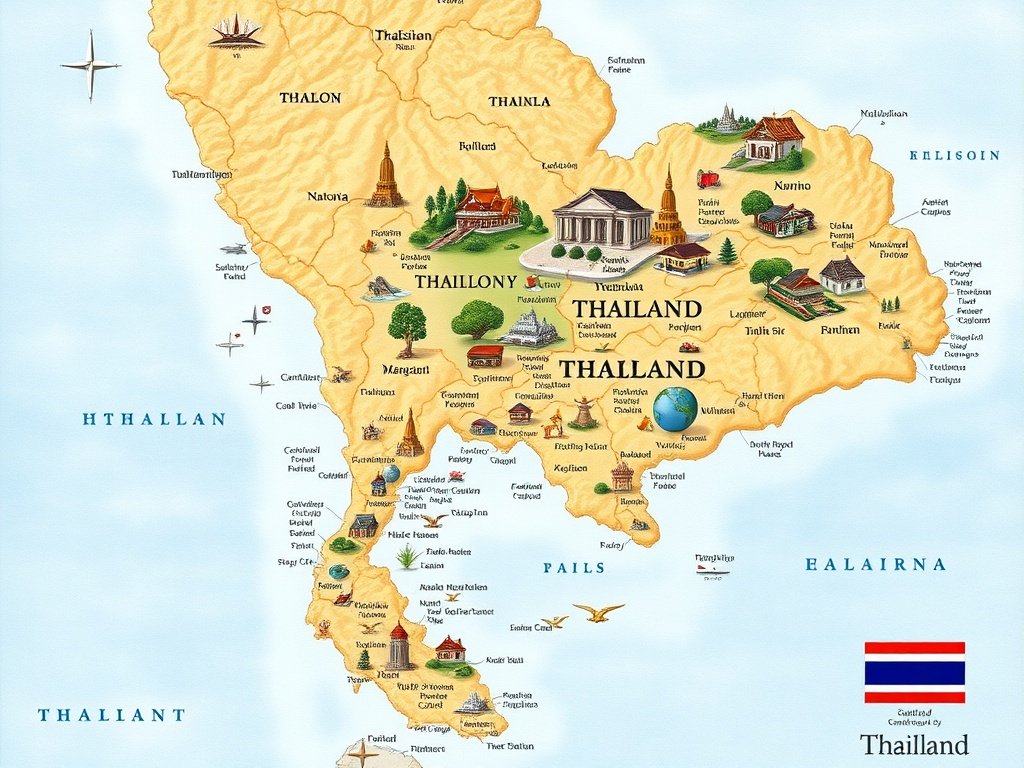
Tumbons are Thailand’s sub-district administrative units, forming the third tier of local governance below provinces and districts. They manage local services, community projects, and citizen engagement, ensuring efficient administration at the grassroots level. Each Tumbon is led by elected officials who coordinate development, budgets, and public welfare initiatives. Understanding Tumbons is key to comprehending Thailand’s local governance system.
In Thailand, Tumbons serve as essential local administrative units that bridge the gap between provincial authorities and village communities. Each Tumbon oversees public services, development projects, and citizen welfare, operating under elected leadership. They differ from Amphoes (districts) in scope but play a crucial role in daily governance and community development. From managing local budgets to facilitating education and health services, Tumbons are central to Thailand’s decentralized administrative system. This article explains their structure, functions, challenges, and significance, providing a complete understanding of how grassroots governance works in Thailand.
What Are Tumbons?
Tumbons are sub-districts in Thailand, forming the third level of local governance after provinces and districts. They act as the primary administrative unit for small communities, handling daily operations, public services, and local development. Each Tumbon consists of multiple villages, providing a structured approach to managing citizen welfare. With elected officials and administrative staff, Tumbons ensure that government programs reach every community effectively. Understanding Tumbons is crucial for anyone studying Thailand’s local administrative system, as they represent the foundation of grassroots governance and citizen engagement.
History of Tumbons
Tumbons have evolved over centuries from informal village clusters to structured administrative units. Initially, local governance relied on community elders, but reforms in the 20th century formalized Tumbons under national law. The system aimed to decentralize administration, allowing communities to manage their affairs efficiently. Over time, Tumbons became vital for public service delivery, development projects, and local elections. Today, they are recognized as official sub-districts that strengthen democracy at the local level, empowering citizens to participate in governance and ensuring that resources are distributed equitably.
Tumbon Structure Explained
Each Tumbon comprises multiple villages, often called Mubans, which are the smallest administrative units. A Tumbon has elected leaders such as a Sub-district Headman, and administrative councils responsible for decision-making, budget allocation, and community welfare programs. The structure ensures accountability and efficient governance, bridging the gap between provincial authorities and local residents. Departments under Tumbons manage health, education, and infrastructure projects. By organizing governance at this level, Thailand ensures that public services are accessible and tailored to local needs, reflecting the country’s commitment to decentralized, citizen-focused administration.
Roles of Tumbon Officials
Tumbon officials are responsible for planning and implementing local projects, managing budgets, and maintaining public facilities. They coordinate with district and provincial authorities to ensure compliance with national regulations. Their duties include supervising education, healthcare, sanitation, and community events. Officials also mediate disputes and encourage citizen participation in decision-making. By being approachable and accountable, Tumbon leaders maintain public trust and facilitate smooth governance. Their proactive management of resources and services makes Tumbons essential for grassroots democracy and sustainable development, ensuring that every citizen has a voice in local administration.
Tumbons vs Amphoes
Tumbons are smaller than Amphoes (districts) and operate under their jurisdiction. While Amphoes handle broader administrative and policy responsibilities, Tumbons focus on local services, infrastructure, and community development. This division ensures efficient management at both regional and sub-district levels. Tumbons provide direct interaction with residents, whereas Amphoes oversee multiple Tumbons. Understanding the difference between these units is important for anyone studying Thailand’s governance. Tumbons’ localized approach complements the district-level administration, making the system more responsive, accountable, and effective in addressing the unique needs of each community.
Why Tumbons Matter
Tumbons are critical for delivering essential services and supporting community development. They ensure that health programs, schools, infrastructure projects, and social welfare initiatives reach local populations efficiently. By decentralizing governance, Tumbons empower communities to participate in decisions affecting their daily lives. They also act as a link between government authorities and residents, ensuring transparency and accountability. The significance of Tumbons extends beyond administration—they foster civic engagement, encourage local problem-solving, and strengthen Thailand’s democratic framework at the grassroots level.
Tumbon Administration
Tumbon administration involves planning, executing, and monitoring local projects. Administrative councils meet regularly to discuss budgets, priorities, and community needs. Departments handle specific areas such as sanitation, healthcare, education, and infrastructure. Officials maintain records, report to district authorities, and organize public forums for citizen feedback. This structured administration ensures that government services are delivered efficiently and responsibly. By combining local insight with official oversight, Tumbons maintain order, encourage participation, and respond effectively to residents’ needs, highlighting the importance of localized governance within Thailand’s broader administrative system.
Also read this: MataRecycler: AI Leading the Future of Sustainable Waste Sorting
Local Development Projects
Tumbons manage projects aimed at improving living standards. Common initiatives include road construction, water supply management, school development, and healthcare facilities. Projects are often funded through local budgets, provincial allocations, or national programs. Community members may propose projects, ensuring that development meets actual needs. By managing these initiatives, Tumbons foster economic growth, environmental sustainability, and social cohesion. Successful projects enhance residents’ quality of life and demonstrate the practical benefits of sub-district administration. They also serve as models for other Tumbons, encouraging replication of effective community-driven solutions across Thailand.
Citizen Participation
Tumbons encourage active involvement of residents in governance. Citizens attend public meetings, voice opinions on development priorities, and vote in local elections. Participation ensures accountability, transparency, and policies that reflect community needs. Public engagement fosters trust between officials and residents and strengthens democratic practices at the grassroots level. By allowing citizens to influence decisions directly, Tumbons promote inclusive governance and empower communities to shape their local environment. Participation also builds social capital, encouraging collaboration and collective responsibility for community development projects and public welfare initiatives.
Community Services in Tumbons
Tumbons oversee essential services such as primary healthcare, education, sanitation, and safety programs. Local officials coordinate with provincial departments to provide resources efficiently. Community centers, schools, and clinics often operate under Tumbon guidance, ensuring accessibility for all residents. These services improve quality of life and promote social equity. By managing local facilities and programs, Tumbons address immediate community needs and support long-term development goals. Efficient service delivery enhances residents’ trust in local governance and ensures that Thailand’s administrative system works effectively at the sub-district level.
Tumbon Elections
Elections in Tumbons allow residents to choose local leaders who represent their interests. Voting occurs regularly, with candidates campaigning on development priorities and community welfare plans. Elections ensure accountability, giving citizens the power to replace underperforming officials. Participation in these democratic processes strengthens civic responsibility and encourages transparency in decision-making. By electing capable leaders, communities ensure that resources are managed effectively and that development projects meet local needs. Tumbon elections are a cornerstone of grassroots democracy, demonstrating Thailand’s commitment to involving citizens directly in governance.
Tumbon Budget & Finance
Tumbon budgets fund local development projects, public services, and administrative operations. Funding comes from local taxes, provincial allocations, and national grants. Officials plan expenditures carefully to prioritize essential services, infrastructure, and welfare programs. Financial management includes transparency measures such as public reporting and audits. Responsible budgeting ensures that resources are used efficiently and equitably. By monitoring income and expenses, Tumbons maintain financial stability, support sustainable development, and demonstrate accountability to citizens, reinforcing public confidence in local governance and administrative effectiveness.
Challenges for Tumbons
Tumbons face challenges including limited funding, bureaucratic delays, and rapid population growth. Coordination with higher-level authorities can sometimes be inefficient, affecting project implementation. Officials must balance development needs with environmental sustainability and social equity. Ensuring citizen engagement and transparency is another ongoing challenge. Despite these obstacles, many Tumbons successfully deliver public services and maintain community trust. Addressing these challenges requires strategic planning, capacity building, and innovative approaches to governance, enabling Tumbons to continue playing a vital role in Thailand’s local administrative system.
Successful Tumbon Examples
Several Tumbons in Thailand have become models for effective local governance. These success stories highlight community-driven development, efficient service delivery, and strong citizen participation. For example, Tumbons implementing eco-friendly projects, modern education programs, or healthcare initiatives have achieved remarkable results. Studying these examples provides insights into best practices, strategies for overcoming challenges, and methods for fostering civic engagement. Successful Tumbons demonstrate that well-managed sub-districts can significantly enhance quality of life, promote sustainable development, and strengthen Thailand’s local governance framework.
Future of Tumbons
The future of Tumbons lies in modernization, digital governance, and citizen-centered policies. Reforms aim to improve efficiency, transparency, and public participation. Technology integration, such as e-services and online budgeting, can enhance administrative performance. Strengthening local capacity ensures that Tumbons can manage growing populations and complex development needs. As Thailand continues to decentralize, Tumbons will play an increasingly important role in governance, shaping resilient, inclusive, and sustainable communities. Their evolution reflects the country’s commitment to empowering citizens and improving grassroots administration for generations to come.
Conclusion
Tumbons are the backbone of Thailand’s local governance system. By managing services, development projects, and citizen engagement, they ensure that administration reaches the grassroots effectively. Despite challenges, Tumbons remain essential for fostering democracy, social welfare, and sustainable development. Understanding their structure, roles, and impact helps citizens, researchers, and policymakers appreciate the importance of sub-district administration in Thailand.
FAQs
- What is a Tumbon in Thailand?
A Tumbon is a sub-district administrative unit in Thailand, part of local governance. - How is a Tumbon structured?
It consists of multiple villages (Mubans) led by elected officials and councils. - What are Tumbon officials responsible for?
They manage local projects, services, budgets, and citizen engagement. - How do Tumbons differ from districts?
Tumbons are smaller and focus on local services, while districts (Amphoes) handle broader administration. - Can citizens participate in Tumbon governance?
Yes, through elections, public meetings, and community initiatives. - What services do Tumbons provide?
Health, education, sanitation, infrastructure, and community development programs. - Why are Tumbons important?
They ensure efficient grassroots governance, citizen participation, and local development.
For more info: usasparktime.com
