
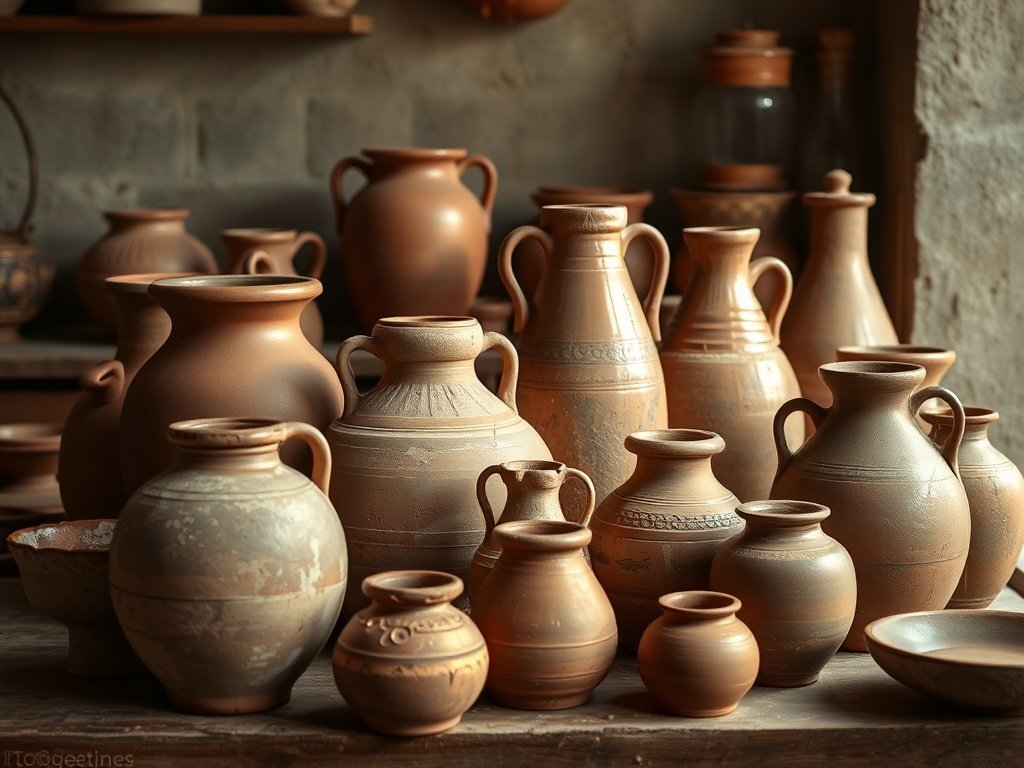
Sodiceram is a specialized ceramic-based material designed for durability, thermal resistance, and high-performance industrial applications. It is commonly used in construction, manufacturing, and advanced surface treatments due to its strength and heat stability. Professionals value it for its long lifespan, resistance to corrosion, and ability to withstand extreme environments without structural damage.
Sodiceram has gained attention as a high-performance ceramic material used in demanding environments where durability and heat resistance matter most. From construction projects to industrial applications, it offers strength, thermal stability, and chemical resistance. This comprehensive guide explores its composition, practical uses, benefits, safety considerations, and maintenance requirements. You will learn how it compares with traditional materials, where it performs best, and what experts recommend before choosing it. If you are considering advanced ceramic solutions for modern projects, this article provides clear, research-based insights to help you make an informed decision.
Understanding Sodiceram and Its Core Material Composition
Sodiceram is engineered from advanced ceramic compounds that combine refined minerals and heat-treated materials to create a highly durable structure. Its composition typically includes silica-based elements and other strengthening agents that enhance structural integrity. The manufacturing process involves high-temperature firing, which improves density and resistance. This controlled production method ensures a consistent texture and stable performance under pressure. Because of its engineered structure, it performs well in environments exposed to extreme heat, mechanical stress, and chemical interaction, making it suitable for technical applications.
Historical Development and Evolution of Modern Ceramic Technologies
The development of modern ceramic materials has evolved significantly over decades of scientific research. Traditional ceramics were mainly used for pottery and decorative purposes, but technological advancement introduced industrial-grade ceramics. Materials similar to sodiceram emerged when engineers required stronger and more heat-resistant solutions. Innovations in kiln technology and mineral refinement improved product consistency. As industries demanded higher safety standards and performance reliability, ceramic science expanded. Today’s engineered ceramics reflect decades of research aimed at increasing durability, minimizing cracks, and optimizing heat tolerance for professional use.
Industrial Applications in High-Temperature and Mechanical Environments
Industrial sectors rely on ceramic materials for their resistance to thermal shock and wear. In manufacturing plants, such materials are often integrated into furnace linings, machinery components, and heat-resistant surfaces. Their ability to withstand repeated heating and cooling cycles makes them valuable in production facilities. The stable molecular structure reduces expansion-related damage. Engineers prefer such materials for environments where metal might corrode or deform. This reliability lowers maintenance costs and increases operational efficiency across industrial systems exposed to constant stress and temperature variations.
Role in Construction Projects and Structural Reinforcement Systems
In construction, advanced ceramic solutions are valued for their strength and long lifespan. Builders use them in structural panels, protective coatings, and specialized flooring systems. The density of sodiceram contributes to improved load-bearing capacity. Its resistance to moisture and environmental stress makes it suitable for both interior and exterior applications. Over time, it maintains structural stability without significant degradation. This quality ensures buildings remain durable even in challenging climates. Construction professionals increasingly integrate ceramic materials to enhance safety and sustainability in modern infrastructure.
Thermal Resistance Properties and Performance Under Extreme Heat
One of the defining characteristics of sodiceram is its exceptional thermal resistance. Unlike many traditional materials, it can endure high temperatures without melting, warping, or losing strength. This heat stability comes from its tightly bonded mineral structure. When exposed to fire or continuous heat, it retains integrity and reduces the risk of structural failure. These properties make it ideal for industrial furnaces and heat-exposed installations. Its thermal efficiency also contributes to energy savings by minimizing heat loss in controlled environments.
Also read this: Dolfier Revolution 2026: Transforming Digital Identity, Platforms, and Storytelling
Chemical Stability and Resistance to Corrosive Substances
Chemical resistance is another important advantage of advanced ceramic materials. They are less reactive to acids, alkalis, and industrial chemicals compared to metals or polymers. This stability prevents surface degradation and extends lifespan. In laboratories and chemical plants, such materials are often used in surfaces exposed to aggressive substances. Their non-porous structure reduces contamination risks. This characteristic enhances hygiene and safety standards in sensitive facilities. The long-term reliability of ceramic materials minimizes replacement frequency and supports sustainable operational practices.
Manufacturing Process and Quality Control Standards
The production process involves precise mineral blending, molding, and high-temperature firing in specialized kilns. Temperature control plays a critical role in achieving optimal hardness and density. After firing, the material undergoes inspection to detect microfractures or inconsistencies. Quality assurance ensures uniform strength and structural stability. Modern facilities employ automated systems to maintain consistency across batches. This rigorous control guarantees reliable performance. Manufacturers also test mechanical strength and thermal endurance before releasing products to market, ensuring they meet professional requirements.
Environmental Impact and Sustainability Considerations in Production
Sustainability has become central to material selection in industrial sectors. Ceramic production consumes energy due to high firing temperatures, but modern technologies have improved efficiency. Many facilities implement energy recovery systems to reduce waste. The long lifespan of sodiceram decreases replacement cycles, indirectly lowering environmental impact. Its durability contributes to resource conservation over time. Additionally, natural mineral components are often abundant and recyclable. When compared to synthetic alternatives, engineered ceramics can provide a more sustainable long-term solution in construction and industry.
Comparison with Traditional Materials Such as Steel and Concrete
When comparing ceramic materials with steel and concrete, key differences emerge in thermal resistance and chemical stability. Steel may corrode and weaken under extreme conditions, while concrete can crack due to thermal stress. Advanced ceramics maintain structural integrity under similar pressures. Although ceramics may have higher initial costs, their longevity offsets maintenance expenses. The lightweight nature of some ceramic components also simplifies installation. This balance of durability and efficiency makes them competitive alternatives in specialized engineering projects requiring resilience and performance.
Safety Measures and Proper Handling Guidelines for Users
Proper handling is essential to maintain material integrity during transportation and installation. Although durable under operational conditions, ceramics can be brittle if dropped or mishandled. Workers should use protective equipment and follow manufacturer recommendations. During cutting or shaping, dust control measures are necessary to ensure safe working environments. Storage in dry conditions prevents moisture-related surface issues. By following professional safety standards, users can maximize performance while minimizing risk. Responsible handling ensures consistent results and preserves structural quality.
Maintenance Requirements and Long-Term Performance Expectations
Maintenance requirements are generally minimal compared to other structural materials. Regular inspection for surface cracks or mechanical impact damage is recommended. Cleaning with non-abrasive materials preserves surface finish. Because of its resistance to corrosion and environmental stress, sodiceram maintains performance for extended periods. This longevity reduces operational downtime and repair costs. In industrial settings, scheduled evaluations help detect potential issues early. With proper care, ceramic-based systems can function efficiently for decades without significant structural deterioration.
Economic Advantages and Cost Efficiency Over Extended Use
While initial investment may appear higher than conventional materials, long-term economic benefits are significant. Reduced maintenance, fewer replacements, and minimal repair requirements contribute to overall savings. Energy efficiency improvements in thermal applications also lower operational expenses. Businesses often calculate lifecycle cost rather than upfront price. Over time, the durability of ceramic materials proves financially advantageous. This cost-effectiveness appeals to industries focused on sustainability and efficiency. Smart investment decisions consider durability, reliability, and reduced downtime in evaluating material choices.
Technological Innovations Enhancing Modern Ceramic Applications
Recent technological advancements have further enhanced ceramic material performance. Improved mineral refinement techniques increase density and structural consistency. Advanced kiln systems allow precise temperature control during production. Research continues to explore nanotechnology integration for additional strength. These innovations expand application possibilities in aerospace, automotive, and construction sectors. As engineering challenges evolve, materials like sodiceram adapt to meet higher performance standards. Continuous innovation ensures improved safety, durability, and efficiency in demanding environments.
Expert Recommendations Before Selecting Ceramic-Based Solutions
Experts recommend evaluating environmental conditions, load requirements, and exposure levels before choosing a ceramic solution. Proper assessment ensures compatibility with project goals. Consulting with material engineers helps determine optimal thickness and structural design. It is also essential to verify manufacturer certifications and testing results. Professional installation improves reliability and longevity. Careful planning prevents costly adjustments later. Selecting the right ceramic material involves balancing durability, budget, and environmental factors to achieve maximum long-term benefit.
Conclusion: Why Sodiceram Stands Out in Advanced Material Solutions
Sodiceram represents a modern solution for industries requiring strength, heat resistance, and chemical stability. Its engineered composition ensures consistent performance under demanding conditions. Compared to traditional materials, it offers enhanced durability and long-term cost efficiency. From construction to industrial manufacturing, its versatility supports diverse applications. With proper installation and maintenance, it provides reliable service for years. As technology advances, ceramic materials continue to improve, reinforcing their role as essential components in high-performance environments worldwide.
FAQs
What is sodiceram used for?
It is primarily used in industrial, construction, and heat-resistant applications where durability and chemical stability are essential.
Is sodiceram heat resistant?
Yes, it is designed to withstand high temperatures without structural damage or loss of strength.
How long does sodiceram last?
With proper installation and maintenance, it can last for decades due to its resistance to corrosion and wear.
Is sodiceram environmentally friendly?
Its long lifespan and mineral-based composition can contribute to sustainability when compared to short-lived synthetic materials.
Can sodiceram replace steel in construction?
In certain high-temperature or chemically exposed environments, it can be a strong alternative, though suitability depends on project needs.
Does sodiceram require regular maintenance?
Maintenance is minimal and typically involves periodic inspection and gentle cleaning to preserve performance.
Is sodiceram expensive compared to other materials?
The initial cost may be higher, but long-term durability and reduced maintenance often make it cost-effective.
For more info: usasparktime.com
