
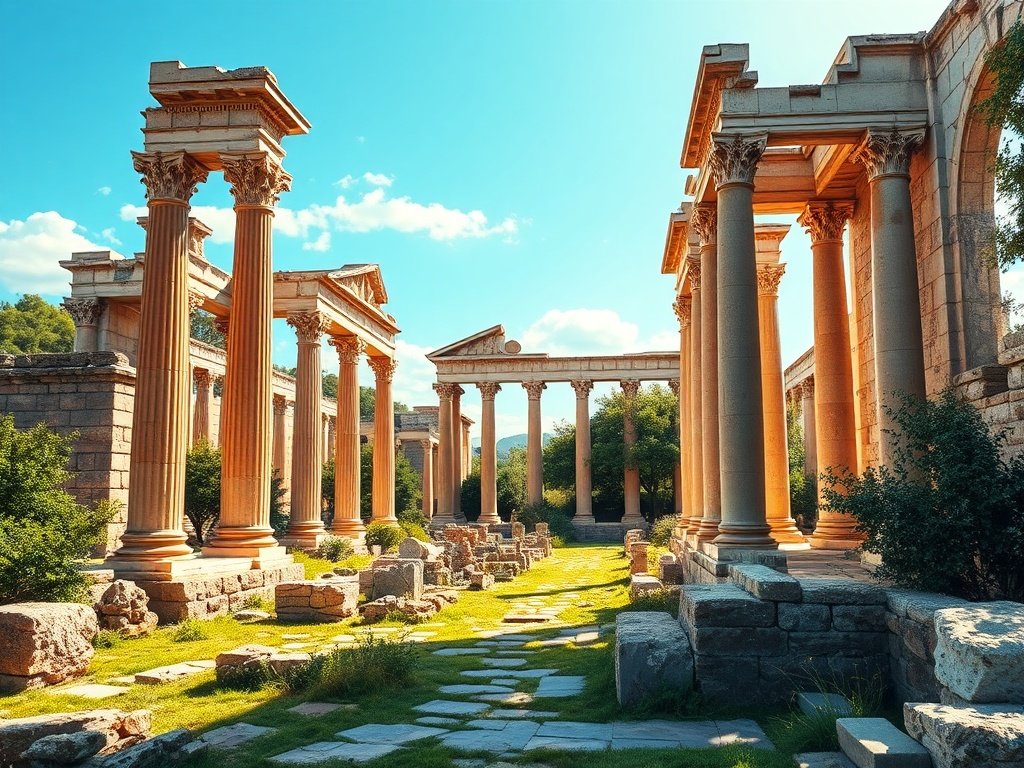
A cesta roman refers to ancient road systems built during the Roman Empire that connected cities, forts, and trade centers. These engineered routes enabled rapid military movement, flourishing commerce, and cultural exchange throughout Europe, North Africa, and the Middle East. Roman roads were durable, well-planned, and strategically designed, many of which still influence modern transport networks today.
This article explores the fascinating history and enduring influence of the cesta roman network once crisscrossing the Roman Empire. It explains the engineering genius behind these ancient roads, their role in shaping trade, military strategy, and cultural integration, and how they laid foundations for modern infrastructure. Through engaging and informative content, readers will gain deep insights into why these routes matter today and how they continue to inspire engineering and historical study around the world.
Understanding Ancient Roman Road Engineering and Its Enduring Precision
The ancient Roman Empire was famous for its ability to design and construct roads with remarkable durability and precision. These pathways crossed mountains, plains, and rivers, linking distant provinces with the capital and each other. Engineers used multiple layers of stone and gravel to ensure stability and drainage. The techniques were so advanced that many sections remain visible or in use today. Understanding this engineering brilliance reveals why Roman builders were considered pioneers in transportation infrastructure across continents.
The Strategic Role of Road Networks in Roman Military Expansion
Roman military success was tightly linked to the efficiency of its road systems. Commanders could dispatch legions swiftly to quell uprisings, defend borders, or expand territory thanks to well-maintained routes. Camps and forts were strategically placed along these corridors, enabling secure supply lines and rapid communication. This integration of transport and defense was unparalleled for its time, reflecting a deep understanding of logistics that contributed significantly to Rome’s centuries-long dominance.
How Ancient Roads Shaped Regional Trade and Economic Growth
The connectivity offered by Roman roadways transformed local economies throughout the empire. Markets flourished where travelers and merchants converged, and goods like olive oil, wine, metals, and textiles flowed with unprecedented ease. Towns along major routes became bustling hubs of commerce, drawing artisans, traders, and settlers. This economic interdependence fostered prosperity and cultural exchange, setting early foundations for interconnected markets that would inspire future infrastructure planning.
Cultural Exchange and the Spread of Ideas Along Roman Routes
As diverse populations traveled Roman highways, cultural interaction became inevitable. Language, art, religious beliefs, and social customs moved with merchants, soldiers, and settlers. This exchange fostered a rich tapestry of shared knowledge and cultural practices throughout the Mediterranean and beyond. Regions once isolated gained access to broader philosophical and artistic influences, shaping the cultural evolution of Europe, North Africa, and Western Asia in ways that still resonate in modern societies.
The Architectural Details That Made Ancient Roads Endure for Millennia
Roman builders understood that long-lasting roads required more than mere flat routes. They studied terrain to determine the best alignments, designed crowning surfaces for water runoff, and used durable materials layered to prevent erosion. Milestones and markers guided travelers and helped maintain consistent distances between key locations. These thoughtful details meant that many ancient segments have survived thousands of years, serving as testaments to a construction legacy unmatched in antiquity.
Also read this: Beit Bart Explained: Ultimate Insights, History, Uses, and Expert Guidance
How Road Networks Changed Urban Growth Patterns in Roman Times
The reach of Roman routes influenced the very layout of cities and towns. Municipal planning began to prioritize proximity to major arteries to benefit from trade, communication, and defense. Urban centers emerged at strategic junctions where travelers rested, traded, and exchanged news. These settlements often grew into influential cities that still exist today. The shaping of urban geography through transportation access remains a principle in planning even in contemporary times.
Challenges Faced During Construction Across Diverse Terrains
Building roadways across mountains, marshes, and deserts was no small feat. Roman engineers confronted unpredictable land, extreme weather, and limited technology. They devised innovative solutions like causeways, tunnels, and bridges to maintain continuity. The workforce included skilled artisans and thousands of laborers who worked in organized crews. Their perseverance in the face of natural obstacles highlights a remarkable chapter in human engineering history, illustrating determination and ingenuity.
Maintenance Systems That Preserved Roads in the Roman Era
The Romans didn’t just build roads; they cared for them. Local officials oversaw regular repairs, clearing debris and filling potholes to ensure smooth travel. Militia units and civic groups sometimes pitched in to maintain stretches outside major routes. Payment for upkeep often came from tolls or local taxes. This organized maintenance reflects a deep understanding that infrastructure must be sustained, not just constructed, for long-term functionality—a principle deeply valued even today.
The Influence of Road Systems on Roman Legal and Administrative Order
Roman roads also served an administrative function, enabling consistent governance across extensive territories. Couriers carried official decrees, census takers moved between regions, and magistrates could inspect remote locales effectively. The legal framework governing movement, tolls, and land use around roadways helped unify diverse communities under one system. Roads were thus not only physical constructs but symbols of centralized order and control throughout the sprawling empire.
Mapping and Measuring Distances With Roman Precision
Roman surveyors developed standardized tools and methods to map routes, measure distances, and document alignments. Milestones informed travelers how far they were from major cities or landmarks. These early systems of measurement laid groundwork for cartography and geographic understanding long before modern tools existed. The accuracy of these records has allowed historians to reconstruct many ancient routes, illuminating how interconnected the empire truly was.
Symbolism and Social Impact of Roads in Roman Daily Life
Roman roads were more than infrastructure; they were symbols of power and connectivity. Citizens felt linked to the heart of the empire as news, fashion, and trends traveled along these routes. Travelers shared stories, contributing to a shared identity among distant communities. Roads facilitated pilgrimages to temples or festivals, reinforcing social cohesion. Their presence in everyday life shaped a collective consciousness that extended beyond regional boundaries.
Rediscovery of Roman Roads in Modern Archaeology
Centuries after the fall of the Roman Empire, archaeologists have unearthed remnants of these ancient pathways. Excavations reveal stone foundations, bridges, and alignments that speak to an impressive engineering tradition. These discoveries have enhanced understanding of ancient logistics, trade routes, and settlement patterns. Preservation efforts continue to honor these historical treasures, offering educational insights and connecting modern observers with the ingenuity of past civilizations.
The Legacy of Ancient Road Inspiration in Modern Infrastructure
Modern highways and railroads owe much to principles first refined by ancient engineers. Straight alignments, durable foundations, and connections between major centers echo Roman priorities. Transportation planning today still emphasizes access, maintenance, and durability—ideas that were central to ancient route builders. The legacy lives on not only in surviving remnants but in the foundational concepts shaping contemporary networks around the world.
Tourism and Cultural Appreciation of Roman Engineering Marvels
Today, many former Roman routes attract tourists fascinated by history and architectural prowess. Walking or cycling along preserved paths offers immersive experiences into ancient life. Museums and local guides teach about construction methods and historical context, inspiring new generations. These sites also boost local economies and foster international appreciation for shared heritage, reminding us that infrastructure can be both useful and spiritually enriching.
Reflecting on the Importance of Ancient Roads in Global History
In summing up this exploration, it becomes clear that these ancient pathways were more than travel routes—they reshaped societies, economies, and cultures. The foresight shown by ancient engineers reverberates in how nations build and connect today. Understanding their legacy enriches our appreciation of past achievements and challenges us to uphold principles of durability, integration, and innovation in modern infrastructure.
Conclusion:
The story of ancient road systems reveals a remarkable chapter of human ingenuity, blending engineering excellence, administrative strategy, and cultural exchange. These routes not only facilitated travel but shaped civilizations. By studying their history and legacy, we deepen our understanding of how connectivity fosters progress across eras.
FAQs
What exactly was a Roman road and why is it significant?
Roman roads were engineered routes connecting key locations across the empire, essential for military movement, trade, and cultural unity.
How were ancient routes built to last so long?
Builders layered stones and gravel with careful drainage planning, creating strong foundations that resisted wear and weather over centuries.
Did any parts of Roman routes influence modern highways?
Many modern corridors follow the alignments first established by ancient engineers, reflecting enduring planning principles.
Were Roman road systems limited to Europe?
No, they extended across North Africa, the Middle East, and parts of Asia, linking far‑flung provinces.
Did local populations benefit from these roads in ancient times?
Yes, they boosted trade access, cultural exchange, and travel opportunities for residents.
Are Roman road remains still visible today?
Many sections and structures remain visible to historians, archaeologists, and visitors exploring ancient sites.
What role did these roads play in cultural integration? They enabled people from diverse regions to meet, share ideas, and exchange cultural practices, enriching communities.
For more info: usasparktime.com
