
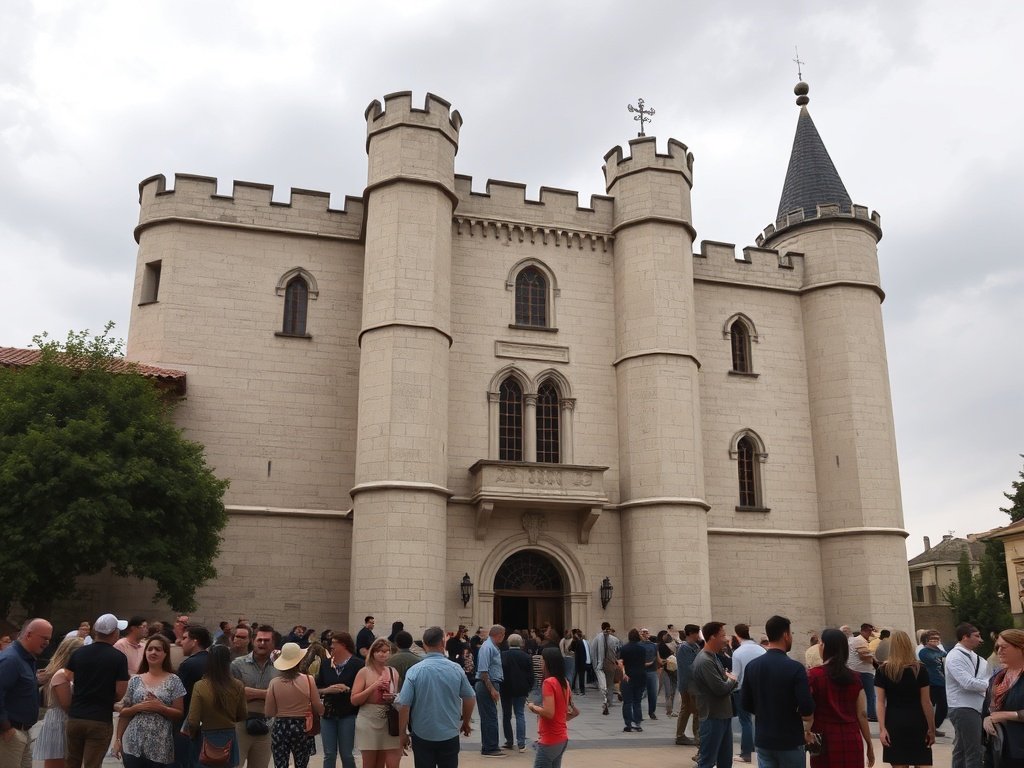
Beit Bart is a traditional concept blending cultural, practical, and social elements, often associated with historical community practices. It emphasizes heritage, sustainable living, and local knowledge, offering both practical applications and a unique cultural perspective. Understanding Beit Bart helps individuals connect with tradition while applying its lessons in modern contexts for personal and community development.
Beit Bart represents a rich blend of cultural heritage, practical living skills, and community traditions that have evolved over generations. This concept highlights sustainable practices, historical significance, and social interactions, offering readers both a connection to tradition and guidance for modern applications. By exploring Beit Bart, individuals can learn how historical knowledge influences contemporary life, encouraging a balance between cultural preservation and everyday practicality. This article dives into its origins, uses, and broader relevance, providing a complete understanding for anyone curious about this fascinating tradition.
Understanding the Origins and Historical Significance of Beit Bart
Beit Bart has a deeply rooted history that spans generations, originating from communities that valued knowledge, tradition, and sustainable living. Its origins are tied to localized cultural practices where families and communities shared practical skills for survival and social cohesion. Historically, Beit Bart symbolized more than a physical space—it reflected a mindset of resourcefulness, responsibility, and collective memory. Studying these origins allows modern readers to appreciate the depth of cultural wisdom embedded in daily life and understand how historical practices can be applied in contemporary society.
Cultural Practices Associated with Beit Bart
The practices surrounding Beit Bart are a reflection of the social and cultural fabric of the communities that nurtured it. Activities often included shared craftsmanship, storytelling, and the passing of essential life skills from one generation to the next. Such practices reinforced social bonds, cultivated respect for tradition, and fostered a sense of belonging. In addition, these rituals helped preserve knowledge about local resources and survival techniques, ensuring that practical wisdom was not lost. Understanding these practices gives insight into the role Beit Bart played in shaping communal life.
The Practical Uses and Applications of Beit Bart
Beit Bart is not merely historical; it has practical applications that remain relevant today. Communities and individuals use its principles for sustainable living, such as eco-friendly construction, self-sufficient food practices, and resource management. Its application also extends to social organization, where cooperation and mutual support are emphasized. By integrating these practices into modern life, individuals can achieve a balanced lifestyle that respects both heritage and contemporary needs. This makes Beit Bart a unique bridge between tradition and innovation in everyday living.
Beit Bart as a Symbol of Social Responsibility
At its core, Beit Bart embodies social responsibility, emphasizing the importance of community support and ethical interaction. Historically, it represented a system where resources, knowledge, and labor were shared, creating harmony and mutual benefit. Individuals who embraced Beit Bart ideals were seen as trustworthy and responsible, often acting as stewards of both people and the environment. This symbolic significance continues to inspire modern interpretations of community engagement and environmental awareness, showing that traditional values can inform contemporary ethical practices.
Beit Bart in Modern Education and Skill Development
Modern educational systems have begun to recognize the value of Beit Bart in skill development. Its emphasis on hands-on learning, mentorship, and knowledge-sharing can be applied to vocational training, environmental studies, and cultural programs. By integrating these principles, educators can foster practical skills, critical thinking, and a sense of responsibility among students. Beit Bart’s educational relevance highlights how traditional knowledge systems can enhance modern learning frameworks, creating well-rounded individuals who understand both heritage and contemporary challenges.
Sustainable Living Inspired by Beit Bart Practices
Sustainability is a key lesson from Beit Bart traditions. Historical communities practiced conservation of resources, organic farming, and energy-efficient construction long before modern awareness of sustainability. By revisiting these practices, modern individuals can adopt eco-friendly methods, reduce waste, and live more harmoniously with their environment. Beit Bart serves as a reminder that sustainability is not a new concept but a timeless practice rooted in human necessity and cultural awareness, offering lessons for both urban and rural living.
Also read this: Kibard Explained: Ultimate Guide to Meaning, Uses, Technology, and Benefits
The Role of Storytelling and Oral Tradition in Beit Bart
Storytelling was central to Beit Bart, serving as a vehicle for preserving history, culture, and practical knowledge. Oral traditions allowed wisdom to be passed down accurately, shaping the community’s identity and moral framework. These stories often contained lessons about survival, social ethics, and problem-solving, ensuring that younger generations internalized both practical skills and cultural values. Understanding this storytelling aspect highlights how Beit Bart functioned as an educational and moral tool, reinforcing the importance of narrative in maintaining community cohesion.
Beit Bart Architecture and Environmental Adaptation
Physical spaces associated with Beit Bart were often designed with environmental adaptation in mind. Structures used locally available materials, natural ventilation, and spatial organization that suited climate conditions. This approach minimized ecological impact while maximizing utility and comfort. Studying Beit Bart architecture offers insight into traditional solutions for sustainable building and resource management. Modern architects and planners can draw inspiration from these methods, integrating cultural awareness with practical design to create spaces that respect both heritage and environmental sustainability.
Health and Wellness Benefits Linked to Beit Bart Practices
Many Beit Bart traditions promoted physical, mental, and social wellness. Activities like communal farming, crafting, and group problem-solving encouraged physical exercise, creativity, and mental resilience. Moreover, the social cohesion promoted by Beit Bart reduced stress and strengthened emotional bonds, contributing to overall well-being. Understanding these health benefits illustrates that traditional practices often incorporated holistic approaches to human development, balancing work, leisure, and social interaction to promote a sustainable and healthy lifestyle.
Beit Bart’s Influence on Modern Community Development
Modern community initiatives often draw inspiration from Beit Bart principles, emphasizing collaboration, resource-sharing, and cultural preservation. Urban planners, social workers, and environmentalists look to these traditions to create sustainable, resilient, and culturally aware communities. Beit Bart provides a model for integrating social responsibility with practical problem-solving, ensuring that modern developments retain a sense of human connection and ethical responsibility. This influence underscores the relevance of ancient practices in guiding contemporary social innovations.
Economic Implications of Beit Bart Traditions
Beit Bart also had economic significance within communities. Resource-sharing, local trade, and skill-based labor allowed communities to thrive without external dependency. These practices fostered resilience, reduced inequality, and encouraged entrepreneurship. By examining economic aspects, modern societies can adopt similar cooperative models, leveraging local knowledge and skills to create sustainable micro-economies. Understanding this economic dimension shows that Beit Bart is not just cultural but also a practical framework for financial and social stability.
Preserving Beit Bart Heritage in the Digital Age
With modernization, preserving Beit Bart traditions requires innovative approaches. Digital archives, storytelling platforms, and cultural programs help document and share knowledge with wider audiences. By combining traditional practices with modern technology, communities can maintain heritage while educating younger generations. This preservation effort ensures that the lessons, skills, and cultural identity embedded in Beit Bart remain relevant and accessible, creating continuity between past and present in an increasingly globalized world.
Also read this: Nerwey: How Users Are Transforming Their Content Strategy
Challenges Facing Beit Bart Traditions Today
Despite its significance, Beit Bart faces challenges from urbanization, globalization, and changing lifestyles. Knowledge transfer between generations has declined, and some traditional practices risk disappearing. Addressing these challenges requires conscious efforts, such as cultural education, community engagement, and adaptation of practices to modern contexts. Recognizing and mitigating these threats is essential to ensure that Beit Bart remains a living tradition rather than a historical relic, preserving both cultural and practical wisdom for future generations.
Integrating Beit Bart Lessons into Daily Modern Life
Applying Beit Bart principles today involves blending tradition with practicality. Individuals can adopt sustainable habits, foster community ties, and value shared knowledge. Whether through eco-friendly living, cooperative projects, or cultural engagement, these lessons enhance modern lifestyles. Beit Bart encourages mindfulness, social responsibility, and resourcefulness, offering a holistic approach to personal and communal growth. By integrating these lessons into everyday actions, people maintain a connection to heritage while thriving in contemporary society.
Conclusion – Embracing Beit Bart for Cultural and Practical Wisdom
Beit Bart represents a rich fusion of tradition, practical knowledge, and community values. Its lessons in sustainability, social responsibility, and skill development remain highly relevant today. By understanding its origins, cultural practices, and modern applications, individuals can appreciate the depth of human ingenuity embedded in these traditions. Embracing Beit Bart not only preserves cultural heritage but also enhances modern living, offering timeless guidance for balancing tradition with innovation in personal, social, and environmental spheres.
FAQs
Q1: What is Beit Bart?
Beit Bart is a traditional concept that blends cultural heritage, practical skills, and community practices for sustainable living.
Q2: Where did Beit Bart originate?
Beit Bart originated from local communities emphasizing resourcefulness, social cohesion, and shared knowledge passed down through generations.
Q3: How is Beit Bart relevant today?
It offers lessons in sustainability, social responsibility, and practical skill application, bridging tradition and modern life.
Q4: What are the main practices of Beit Bart?
Practices include communal work, storytelling, resource management, eco-friendly living, and passing knowledge to younger generations.
Q5: Can Beit Bart help with modern education?
Yes, its mentorship and hands-on learning approach enhance skill development, critical thinking, and cultural awareness in modern education.
Q6: Does Beit Bart influence community development?
Absolutely, it provides models for cooperation, sustainable resource use, and ethical engagement in contemporary communities.
Q7: How can I incorporate Beit Bart into daily life?
Adopt sustainable habits, value community engagement, preserve cultural knowledge, and integrate practical traditional lessons into modern routines.
For more info: usasparktime.com
