
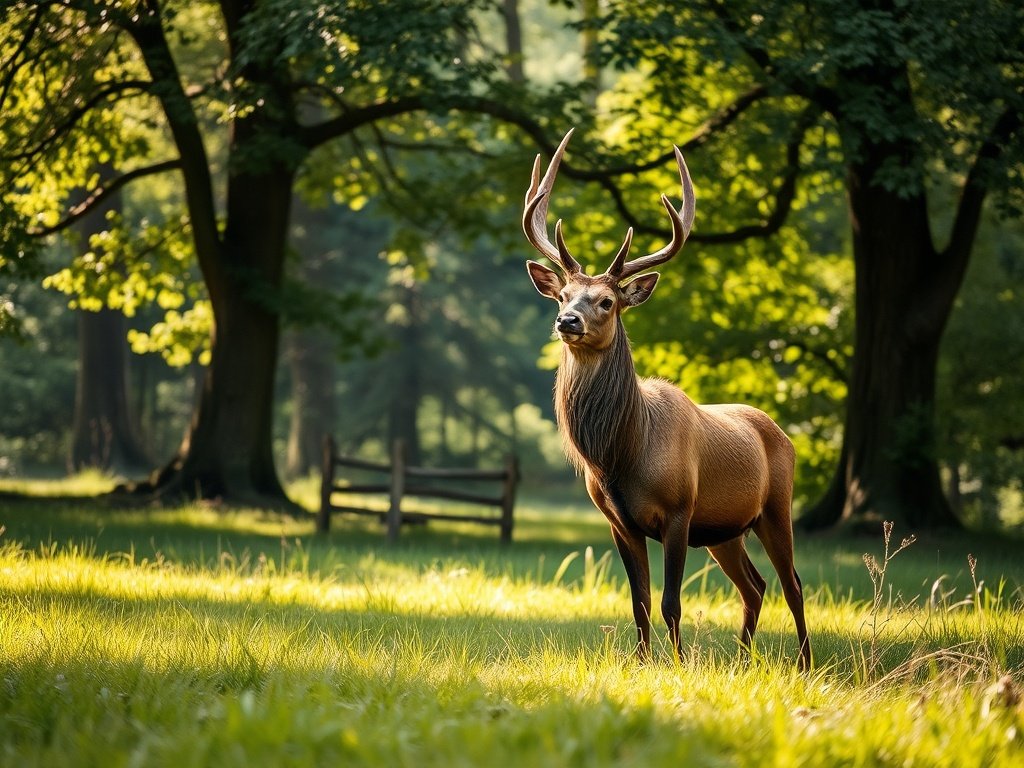
Viltnemnda is Norway’s local wildlife committee responsible for regulating hunting, managing wildlife populations, and advising on conservation policies. By integrating scientific research, local expertise, and community input, Viltnemnda ensures sustainable wildlife management, protects endangered species, and supports rural communities. Its decisions balance ecological protection with social and economic needs, making it a central yet often overlooked pillar of Norway’s environmental governance.
Viltnemnda is a key component of Norway’s wildlife governance system, operating at the local level under national guidelines. These committees oversee hunting quotas, species protection, and habitat management, combining scientific research with local knowledge. By involving community members, hunters, and experts in decision-making, Viltnemnda creates policies that are both effective and socially accepted. Their work impacts biodiversity, rural economies, and recreational activities, while also responding to challenges like climate change and invasive species. Understanding Viltnemnda sheds light on Norway’s approach to sustainable wildlife management and how local governance can ensure environmental balance. This article explores its history, functions, decision-making processes, and role in shaping Norway’s conservation future.
What Is Viltnemnda?
Viltnemnda, meaning “wildlife committee,” is Norway’s local authority responsible for managing wildlife and balancing ecological conservation with community needs. Comprised of municipal representatives, hunting associations, and ecological experts, these committees oversee wildlife populations, set hunting quotas, and protect endangered species, from reindeer to lynx. Their decisions are informed by scientific research—including population surveys, ecological models, and predator-prey studies—combined with local knowledge and traditional practices. Beyond policy enforcement, Viltnemnda educates communities on sustainable hunting, habitat preservation, and biodiversity management. By linking grassroots participation with national environmental strategies, Viltnemnda ensures that ecological and social goals are met, supporting both ecosystem health and rural livelihoods. Though little-known outside Norway, their work exemplifies the integration of science, governance, and community engagement in sustainable wildlife management.
History and Evolution of Viltnemnda
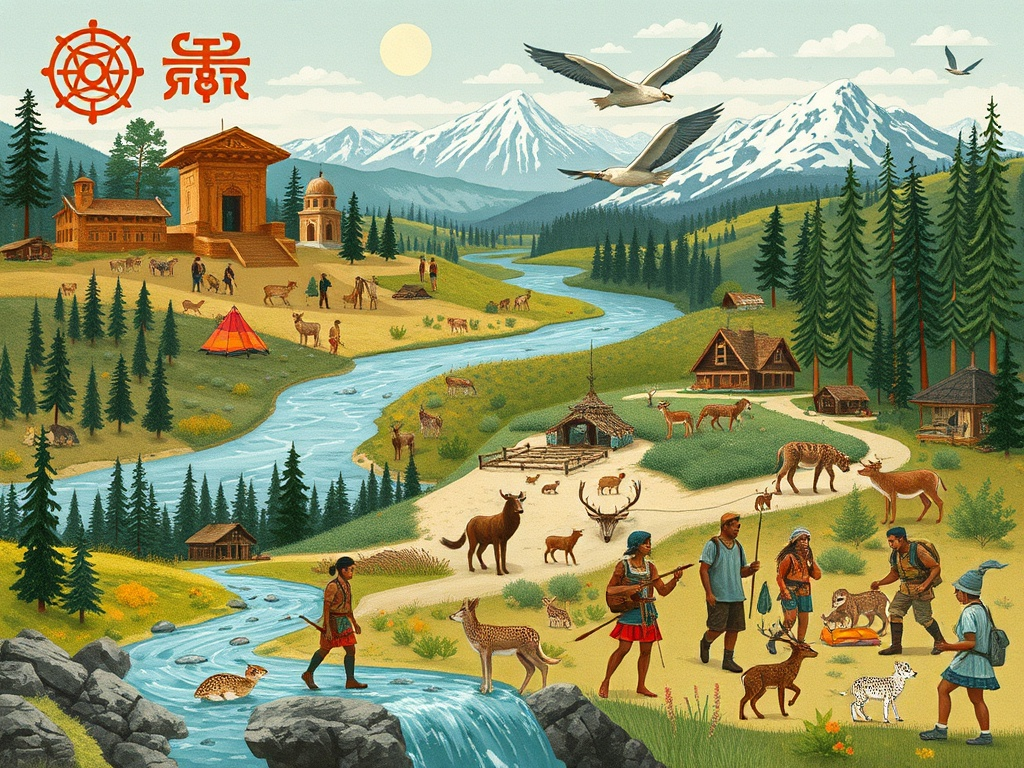
Viltnemnda emerged in the mid-20th century to address the need for structured wildlife governance in Norway. Before their creation, hunting and conservation were largely community-driven, leading to inconsistent practices and ecological imbalances. Authorities recognized the importance of creating formal committees that could standardize regulations while respecting local traditions. Over decades, Viltnemnda evolved to incorporate ecologists, hunters, and local stakeholders, blending scientific monitoring with community knowledge. This evolution reflects Norway’s commitment to sustainable resource management, showing how traditional practices can coexist with modern conservation science. Today, Viltnemnda plays a crucial role in enforcing hunting quotas, protecting endangered species, and advising municipalities. Its history highlights a unique approach where local governance, community engagement, and national environmental priorities converge, creating a governance model that is both adaptive and resilient, capable of addressing contemporary ecological challenges.
Viltnemnda’s Role in Wildlife Management
Viltnemnda ensures sustainable wildlife management by monitoring populations, regulating hunting, and advising authorities on conservation measures. Committees coordinate data from wildlife surveys, climate monitoring, and ecological research to set hunting quotas that prevent overexploitation. They also focus on protecting endangered species, maintaining habitats, and mitigating conflicts between wildlife and human activities, such as agriculture. Public engagement is a core component, with educational programs promoting sustainable practices among hunters, farmers, and rural communities. By combining science, policy, and local input, Viltnemnda creates solutions that balance ecological needs with social interests. Its influence extends beyond immediate wildlife management, fostering community stewardship and promoting biodiversity. In essence, Viltnemnda acts as a bridge between Norway’s natural heritage and its people, ensuring that wildlife governance supports both environmental sustainability and cultural traditions.
The Decision-Making Process
Decisions within Viltnemnda are driven by a combination of empirical data and local consultation. Committees assess population trends, habitat conditions, predator impacts, and hunting pressures before setting quotas or conservation measures. Meetings often involve stakeholders from rural communities, wildlife experts, and municipal officials, ensuring that every policy balances ecological sustainability with local interests. The process emphasizes transparency and consensus, with decisions documented and communicated publicly. This inclusive approach prevents conflicts, enhances compliance, and strengthens trust between authorities and communities. By integrating science with traditional ecological knowledge, Viltnemnda ensures that wildlife management is both effective and socially supported. Decisions cover everything from seasonal hunting regulations to predator control, highlighting the committee’s comprehensive oversight of Norway’s diverse ecosystems.
Responsibilities of Viltnemnda
Viltnemnda has broad responsibilities in wildlife governance. They issue hunting permits, adjust quotas annually, monitor population health, protect threatened species, and advise on habitat management. Committees also collect data on environmental impacts, including disease prevalence, climate change effects, and human-wildlife conflicts. By educating communities on conservation and sustainable hunting, Viltnemnda fosters citizen participation, ensuring long-term ecological stewardship. These responsibilities require balancing multiple interests: preserving biodiversity, supporting rural livelihoods, and maintaining recreational hunting traditions. By harmonizing these factors, Viltnemnda maintains a resilient ecosystem and strengthens Norway’s conservation framework. Their work demonstrates that local governance, guided by science and community engagement, is essential for effective wildlife management.
Impact on Hunting Regulations
Viltnemnda has a significant influence on Norway’s hunting regulations. Committees determine annual hunting quotas, define legal seasons, and regulate species-specific permits. These decisions are based on population surveys, ecological modeling, and predator-prey assessments, ensuring sustainable harvests. By adjusting quotas according to environmental conditions and population trends, Viltnemnda prevents overhunting and promotes species recovery. This approach benefits both hunters and ecosystems, maintaining balanced populations while supporting recreational and subsistence hunting. Additionally, Viltnemnda mediates conflicts between wildlife conservation and agricultural interests, protecting crops from overgrazing and predator damage. Their regulation system exemplifies adaptive management, where policies evolve based on continuous monitoring, scientific input, and local knowledge, ensuring both ecological integrity and community satisfaction.
Conservation Success Stories
Viltnemnda has contributed to notable wildlife conservation successes in Norway. Species such as the wild reindeer, lynx, and wolverine have seen population recoveries due to regulated hunting, habitat management, and predator monitoring. Committees have implemented seasonal restrictions, established protected areas, and fostered local stewardship programs. Public participation ensures these efforts are culturally accepted and sustainable. By integrating research and traditional knowledge, Viltnemnda has developed long-term strategies to preserve biodiversity. These success stories highlight the effectiveness of combining local governance with science-based policy, demonstrating that participatory approaches can deliver tangible results in wildlife conservation. Their work illustrates how structured committees can reverse population declines while supporting rural communities reliant on natural resources.
Viltnemnda and Rural Communities
Viltnemnda strengthens the relationship between wildlife management and rural livelihoods. Hunters, farmers, and local residents are actively involved in decision-making processes, providing insights on wildlife behavior and local ecological conditions. This participation ensures policies are culturally sensitive and economically practical. Committees also educate communities on sustainable hunting and conservation practices, fostering long-term stewardship. By aligning conservation goals with community needs, Viltnemnda reduces conflicts, builds trust, and encourages responsible wildlife use. Their work demonstrates that effective conservation requires social buy-in as much as scientific evidence. Rural communities benefit from regulated hunting opportunities, ecological protection, and guidance on managing predator impacts, creating a balanced coexistence between humans and nature.
Controversies and Challenges
Viltnemnda faces controversies, especially regarding predator management and hunting restrictions. Some hunters argue quotas are too strict, while conservationists believe certain species need more protection. Climate change, habitat loss, and invasive species further complicate decision-making, requiring adaptive policies. Committees must balance ecological data, social expectations, and economic interests, often making difficult trade-offs. Misunderstandings arise when communities perceive decisions as top-down rather than participatory. Despite challenges, Viltnemnda continues to evolve, relying on transparent processes, scientific evidence, and stakeholder engagement to address conflicts. Their ability to navigate controversies highlights the complexity of modern wildlife governance and the necessity of integrating multiple perspectives for sustainable outcomes.
Scientific Basis of Decisions
Scientific research is central to Viltnemnda’s decisions. Committees rely on population surveys, ecological models, predator-prey studies, and climate data to inform hunting quotas and conservation measures. Collaboration with universities, environmental agencies, and local experts ensures that policies are evidence-based. By combining quantitative data with qualitative community insights, Viltnemnda ensures sustainable outcomes while maintaining local trust. Scientific monitoring also allows committees to detect population declines, disease outbreaks, or habitat changes early, enabling proactive interventions. This rigorous, research-driven approach underpins Norway’s reputation for responsible wildlife governance and ensures that decisions are not arbitrary but grounded in measurable ecological realities.
Role in Climate Adaptation
Climate change is reshaping Norway’s ecosystems, and Viltnemnda plays a crucial role in adapting wildlife management. Shifts in temperature, precipitation, and vegetation affect migration patterns, predator-prey dynamics, and species distribution. Committees monitor these changes, adjusting quotas, protective measures, and habitat management strategies accordingly. For example, reindeer grazing patterns are monitored, and predator management adapts to changing predator populations. By integrating climate projections and field data, Viltnemnda ensures that wildlife policies remain effective despite environmental uncertainty. Their adaptive management approach demonstrates resilience and proactive planning, ensuring long-term sustainability for both biodiversity and local communities.
Future of Viltnemnda
The future of Viltnemnda likely involves digital monitoring, expanded stakeholder engagement, and closer integration with national and international conservation frameworks. Emerging technologies, such as wildlife tracking and AI-powered population modeling, may improve decision accuracy. Increased collaboration with research institutions and NGOs will strengthen evidence-based management. Committees will continue adapting to challenges like climate change, habitat fragmentation, and shifting community needs. By evolving with environmental and technological developments, Viltnemnda will remain a key pillar of sustainable wildlife governance, balancing ecological integrity with social and economic interests.
Engaging With Viltnemnda

Citizens can participate in Viltnemnda through public meetings, consultation processes, and local conservation initiatives. Engagement allows communities to influence hunting quotas, species protection measures, and habitat management strategies. By providing feedback, reporting wildlife observations, and participating in stewardship programs, residents contribute to informed decision-making. This involvement enhances transparency, strengthens trust, and fosters a sense of shared responsibility for Norway’s wildlife. Public participation also ensures that policies are culturally appropriate and socially accepted, increasing compliance and effectiveness. Viltnemnda demonstrates that local governance, when inclusive, can achieve both ecological and societal objectives.
Also read this: Twastia Com Restaurants: Complete Guide to Best Dining Places 2025
Common Misconceptions
Many misunderstand Viltnemnda as a national wildlife authority, but it operates locally under national guidelines. Some perceive it as restrictive, especially regarding hunting limits, yet its decisions are scientifically informed and designed to balance ecological sustainability with human interests. Misconceptions also include underestimating its influence on biodiversity conservation and rural communities. By clarifying its structure, role, and decision-making processes, the public can better appreciate Viltnemnda’s importance in Norway’s environmental governance. Understanding these committees fosters support for sustainable wildlife management and encourages active citizen engagement in conservation efforts.
Conclusion
Viltnemnda represents a vital yet often overlooked component of Norway’s wildlife governance system. Through science-based policies, community involvement, and adaptive management, these committees balance conservation with local interests. Their work protects endangered species, maintains ecosystem health, and supports rural economies. By integrating traditional knowledge with modern ecological research, Viltnemnda demonstrates how local governance can be a powerful tool for sustainable wildlife management. Recognizing its role highlights the value of participatory, evidence-driven environmental stewardship, ensuring Norway’s natural heritage is preserved for future generations.
FAQs
1. What is Viltnemnda?
Viltnemnda is a government wildlife board in Norway responsible for managing wild animals, making decisions on conservation, hunting quotas, and animal protection policies.
2. Why is Viltnemnda considered “secret”?
It’s often described as secretive because many of its internal discussions and decision-making processes aren’t widely publicized, even though its decisions affect land use and wildlife across Norway.
3. What decisions does Viltnemnda make?
It decides on things like hunting seasons, protected species lists, wildlife population targets, and how to balance conservation with public interests.
4. Who sits on Viltnemnda?
Members include legal experts, biologists, and representatives from ministries and interest groups. They’re appointed to represent both science and public values.
5. How does Viltnemnda impact conservation?
Its rulings influence how ecosystems are protected, how endangered species are managed, and how conflicts between humans and wildlife are resolved.
6. Can ordinary people access Viltnemnda’s decisions?
Yes — while some meetings aren’t public, decisions and rulings are generally published so stakeholders and the public know what policies are in place.
7. Is Viltnemnda part of the Norwegian government?
Yes, it functions under Norway’s environmental and agricultural framework, acting as an authoritative body on wildlife regulation.
For more info: usasparktime.com
