
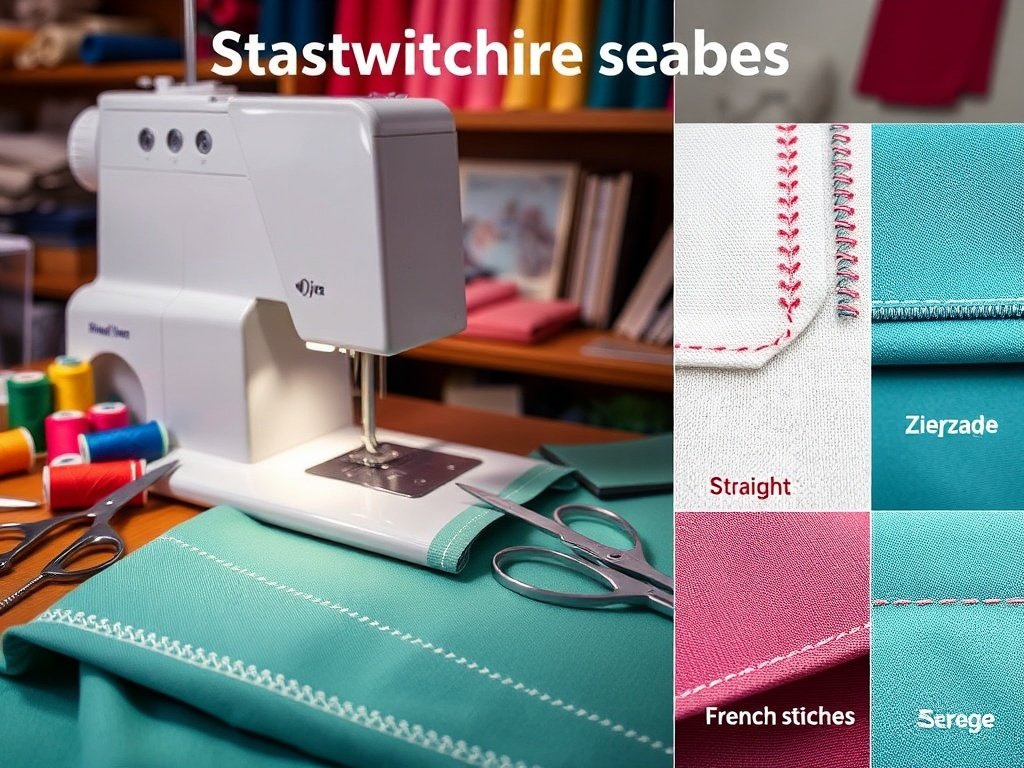
Nahttypen refers to the different types of seams used in sewing to join fabric pieces securely and cleanly. Each seam type serves a specific purpose, whether for durability, stretch, decoration, or waterproofing. Choosing the correct seam ensures structural strength, professional finishing, and long-lasting garments while enhancing comfort and overall fabric performance.
Seams are the backbone of every garment. While fabric selection gets attention, the stitching method often determines whether a piece looks homemade or professionally crafted. From basic plain seams to reinforced industrial finishes, understanding seam construction improves durability, comfort, and aesthetics. This guide explores different seam categories, their practical uses, fabric compatibility, and professional applications in fashion and textile industries. Whether you are a beginner learning stitching fundamentals or a designer refining construction quality, mastering seam techniques dramatically enhances results. You will also discover how seam choice affects garment strength, flexibility, waterproofing, and overall finish.
Understanding the Role of Seam Construction in Garments
Seams do more than connect fabric pieces. They define structure, durability, and comfort. A poorly constructed seam can weaken the entire garment, even if the fabric is premium. Seam selection influences flexibility, breathability, and even appearance. Designers carefully match stitching techniques with fabric type to prevent tearing or puckering. In fashion manufacturing, seam integrity determines product lifespan. Understanding seam construction basics allows both hobbyists and professionals to produce cleaner, stronger, and more reliable clothing.
Basic Seam Types Every Sewer Should Know
Plain Seam
The plain seam is the most commonly used technique in garment construction. Two fabric edges are stitched together and finished to prevent fraying. It works well for woven fabrics and everyday clothing. Though simple, it requires proper pressing for a clean appearance. This seam forms the foundation of most beginner sewing projects and remains widely used in industrial production due to its efficiency and adaptability.
French Seam
French seams enclose raw edges inside the seam itself, creating a neat interior finish. This technique works best for lightweight or delicate fabrics like chiffon and silk. It enhances comfort and prevents fraying without additional finishing. High-end garments often use this method because it provides durability while maintaining elegance. It is ideal for sheer fabrics where inner seam visibility matters.
Flat-Felled Seam
Flat-felled seams are strong and highly durable. Frequently seen in denim jeans and workwear, this seam encloses raw edges and lies flat against the fabric. It prevents fraying and withstands repeated washing. Because of its strength, it is widely used in sportswear and heavy-duty clothing. Though slightly complex to sew, the long-term durability makes it worth mastering.
Advanced Seam Techniques for Professional Results
Overlock Seam
An overlock seam trims and finishes raw edges simultaneously using a serger machine. It provides stretch and flexibility, making it ideal for knit fabrics. This technique prevents unraveling and creates a professional interior finish. It is commonly used in activewear and casual garments where elasticity matters.
Bound Seam
Bound seams encase raw edges with bias tape or binding fabric. This technique is both decorative and functional. It strengthens seams while adding a design element inside garments. Jackets and unlined coats often feature bound finishes for durability and aesthetic appeal.
Also read this: Sofoximmo: Maximize Property Profits with Smart Investment Strategies
Lapped Seam
Lapped seams overlap two fabric pieces rather than placing them edge to edge. Frequently used in leatherwork and non-fraying fabrics, this seam adds strength without bulk. It creates a distinctive visual line and works well in structured garments.
Choosing the Right Seam for Different Fabrics
Fabric behavior determines seam choice. Stretch fabrics require flexible stitching, while rigid materials demand reinforced seams. Lightweight textiles benefit from enclosed finishes to prevent fraying. Heavy fabrics require stronger structural seams. Matching technique to textile weight, weave, and purpose prevents distortion and increases longevity. Professionals test seam samples before full production to ensure compatibility.
Seam Strength and Durability Factors
Durability depends on stitch length, thread quality, and seam allowance width. Reinforced seams in stress areas like shoulders and crotch lines prevent tearing. Double stitching or bar tacks add extra support. Industrial garments often include reinforced seam finishes for long-term wear. Testing tensile strength ensures reliability under pressure.
Decorative Seams in Fashion Design
Seams can become design features rather than hidden elements. Topstitching, piping, and contrast binding add character. Designers use decorative seams to highlight structure and create unique silhouettes. Visible seam work transforms simple garments into statement pieces. It blends functionality with artistry.
Waterproof and Performance Seams
Outdoor clothing requires sealed seams to block moisture. Seam tape prevents water penetration in rain jackets and technical gear. Without sealing, stitching holes allow leaks. Performance apparel uses specialized methods to maintain breathability while ensuring protection. This balance is critical in sportswear manufacturing.
Common Seam Mistakes to Avoid
Incorrect tension settings lead to puckering or weak joins. Skipping pressing steps reduces seam sharpness. Using the wrong needle damages fabric structure. Beginners often overlook seam allowance accuracy. Avoiding these mistakes improves overall garment finish significantly.
Industrial Applications of Nahttypen
In large-scale manufacturing, seam efficiency impacts production speed and cost. Factories choose techniques that balance durability and automation compatibility. Reinforced seams appear in uniforms and protective wear. Precision ensures consistent quality across mass production.
Seam Finishing Techniques for Clean Interiors
Zigzag stitching, pinking shears, and serging prevent fraying. Interior finishing enhances garment lifespan and wearer comfort. Clean seam finishes reflect professional craftsmanship. Even hidden interiors matter in premium clothing production.
How Seam Choice Impacts Comfort
Bulky seams can irritate skin. Flat seams improve comfort in sportswear. Seam placement influences mobility and fit. Designers prioritize smooth finishes in active and undergarments. Proper seam planning enhances wearability.
Seam Testing and Quality Control
Manufacturers conduct stress tests to evaluate seam performance. Repeated wash cycles reveal durability. Quality control teams inspect stitch consistency. Strong seam construction ensures fewer returns and customer satisfaction.
Sustainability and Seam Efficiency
Efficient seam planning reduces fabric waste. Durable seams extend garment lifespan, lowering environmental impact. Sustainable fashion emphasizes long-lasting construction methods. Strong stitching supports responsible production.
Conclusion: Mastering Seam Construction for Professional Results
Understanding Nahttypen transforms sewing from basic assembly into skilled craftsmanship. The right seam enhances durability, comfort, and appearance. Whether creating fashion garments or functional wear, selecting proper seam techniques ensures lasting quality. Mastery of seam construction elevates every project.
FAQs
1. What are the strongest types of seams?
Flat-felled and reinforced seams are considered the strongest due to enclosed edges and double stitching.
2. Which seam is best for delicate fabrics?
French seams are ideal for lightweight and sheer fabrics because they hide raw edges cleanly.
3. Are overlock seams durable?
Yes, overlock seams are durable for stretch garments and prevent fraying effectively.
4. Why are seams important in clothing?
Seams provide structure, strength, and shape to garments while affecting comfort and durability.
5. How do waterproof seams work?
They use seam tape to seal stitching holes, preventing water from entering the garment.
6. What seam is used in jeans?
Flat-felled seams are commonly used in denim due to their strength and clean finish.
7. Can seam choice affect comfort?
Yes, bulky seams can irritate skin while flat seams improve comfort in activewear.
For more info: usasparktime.com
