
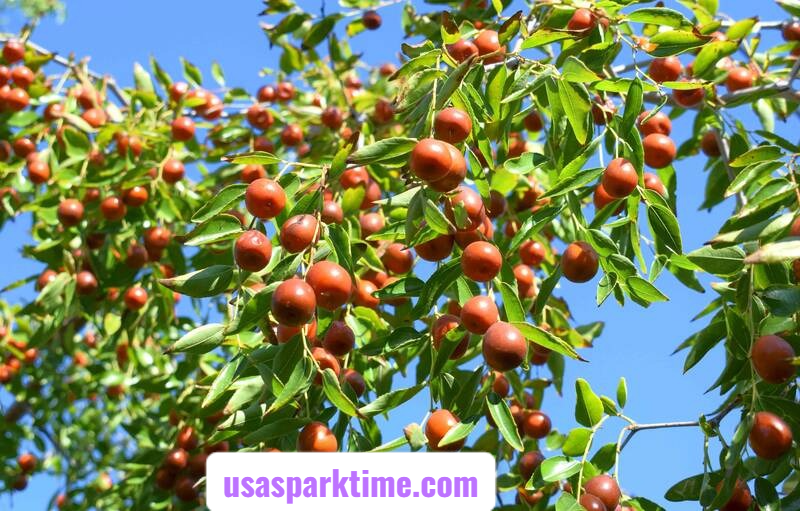
Žižole, also known as jujube or Chinese date, is a small, nutrient-rich fruit cherished for centuries for its sweet taste, versatility, and wellness benefits. Fresh žižole are crisp like apples, while dried ones are chewy like dates. They provide antioxidants, vitamins, and fiber, supporting digestion, immunity, and overall health. This fruit has been valued historically for culinary and medicinal uses across Asia, Europe, and Slavic regions.
Žižole is the fruit of the Ziziphus jujuba tree, celebrated for its unique flavor, health benefits, and cultural significance. This article explores its history, nutritional value, culinary uses, and traditional medicinal applications. Readers will learn how fresh and dried žižole differ, tips for growing and storing the fruit, and why it remains relevant in modern diets. Rich in vitamins, fiber, and antioxidants, žižole is a versatile superfruit that blends tradition with modern wellness trends, making it an ideal addition to everyday meals and holistic health routines.
Understanding What Žižole Actually Are and Their Cultural Significance
Žižole is the local name for the jujube fruit, a small, sweet, and chewy fruit long cultivated in Asia, the Mediterranean, and Slavic regions. Its name reflects deep cultural and linguistic connections, not just the fruit itself. Historically, it has been linked to health, longevity, and traditional remedies. The fruit is celebrated for its flavor, texture, and nutritional properties, making it an important part of local cuisines, medicinal practices, and even folklore.
Ancient Origins of Žižole and Its Journey Across Continents
Žižole originated in northern China, where it has been grown for thousands of years. Traders and explorers carried the fruit along ancient routes into India, the Middle East, and Europe, integrating it into regional diets. Its adaptability and resilience allowed it to thrive in various climates, leading to its cultural adoption in diverse communities. Over time, žižole became a symbol of wellness, prosperity, and traditional culinary practices across continents.
Botanical Description of the Žižole Tree and Its Fruit
The žižole tree is medium-sized, often reaching several meters in height, with smooth, glossy leaves. Small fragrant flowers eventually develop into round or oval fruits that ripen from green to reddish-brown. Its strong root system allows it to survive dry climates and poor soils. The tree produces fruit consistently year after year, making it a reliable crop for both home gardens and commercial orchards.
Differences Between Fresh and Dried Žižole
Fresh žižole are crisp and mildly sweet, reminiscent of apples. When dried, the fruit becomes chewy with a richer, concentrated sweetness similar to dates. This transformation enhances its versatility in cooking, allowing it to be used in teas, snacks, baked goods, or savory dishes. Drying also increases shelf life, making it easy to enjoy year-round without losing nutritional value or flavor.
Nutritional Value That Makes Žižole a Superfood
Žižole is rich in vitamin C, fiber, potassium, and iron. Its antioxidants help protect cells from damage, while fiber supports digestion and heart health. The fruit contains natural compounds that may aid immunity and provide anti-inflammatory benefits. Its low-fat content and high nutrient density make it an excellent choice for anyone looking to maintain a healthy, balanced diet while enjoying a naturally sweet treat.
Traditional Medicinal Uses Across Cultures
Throughout history, žižole has been valued for its medicinal properties. Traditional Chinese Medicine uses it to calm the nervous system and support digestion, while European folk remedies have relied on it for stress relief and overall vitality. Herbal infusions, tonics, and extracts made from dried fruit were common remedies, highlighting the enduring belief in its therapeutic value.
Culinary Applications of Žižole Around the World
Žižole can be enjoyed fresh in salads, breakfast bowls, or as a snack. Dried fruit is perfect for teas, trail mixes, pastries, and syrups. Some regions even use it to flavor drinks, sauces, or desserts. Its natural sweetness and subtle flavor make it an adaptable ingredient in both traditional and modern recipes, combining health benefits with culinary enjoyment.
Tips for Growing Žižole Trees at Home or Farm
Žižole trees thrive in full sun with well-drained soil. They are drought-tolerant and require minimal maintenance once established. Home gardeners and small farmers often grow them for fresh fruit or dried production. Regular pruning improves airflow and fruit quality, while consistent watering during the first years ensures healthy growth. The trees’ resilience makes them ideal for sustainable agriculture and backyard gardens.
Environmental Benefits of Planting Žižole Trees
Žižole trees contribute to biodiversity by attracting pollinators like bees and butterflies. Their deep root systems stabilize soil and prevent erosion, particularly in dry regions. Cultivating these trees can help preserve ecosystems and provide a sustainable source of nutritious fruit. They are increasingly valued in agroforestry and environmental conservation efforts due to their ecological resilience and adaptability.
Also read this :Diag Images Explained: Types, Uses, and Complete Guide for Beginners
Modern Health Trends Boosting Žižole Popularity
With growing interest in superfoods, žižole is being rediscovered as a nutrient-rich, natural sweetener. Its antioxidants and fiber make it appealing for wellness-focused diets, smoothies, and functional snacks. Chefs and nutrition enthusiasts are incorporating it into innovative recipes, combining ancient tradition with contemporary culinary trends. Its reputation as a natural health booster continues to expand globally.
Common Misunderstandings About Žižole
Some people confuse žižole with unrelated fruits or believe it is overly sweet. In reality, it is the same as jujube and offers moderate natural sweetness along with numerous health benefits. Another misconception is that it can only be eaten dried, though fresh fruit is equally nutritious and enjoyable. Understanding its versatility helps consumers use it effectively in food and wellness routines.
How to Choose and Store Žižole for Maximum Freshness
Select fresh žižole that is firm and glossy, and dried fruit that is pliable and rich in color. Fresh fruit lasts about two weeks in the refrigerator, while dried forms can be stored for months in airtight containers. Proper storage preserves flavor, texture, and nutrients, ensuring that the fruit remains enjoyable and beneficial over time.
Cultural Symbolism and Folklore of Žižole
In many traditions, žižole represents longevity, prosperity, and hospitality. It often appears in harvest celebrations, family rituals, and symbolic offerings. This cultural significance adds depth to its culinary and nutritional value, reminding us that žižole is not just a fruit but a link to centuries of human history and tradition.
Conclusion: Why Žižole Deserves a Place in Your Life
Žižole combines flavor, nutrition, and tradition into one small, versatile fruit. Whether fresh, dried, or brewed into tea, it provides antioxidants, fiber, and essential vitamins while connecting us to ancient culinary and medicinal wisdom. Its environmental benefits and adaptability make it an ideal choice for gardeners and health-conscious individuals. Incorporating žižole into daily life supports well-being, culinary creativity, and cultural appreciation.
FAQs About Žižole
What are žižole fruits?
Žižole are the fruits of the Ziziphus jujuba tree, also called jujube or Chinese date, known for their sweet taste and health benefits.
Can žižole help with sleep?
Yes, traditionally, compounds in žižole are believed to calm the nervous system and promote restful sleep.
How do fresh and dried žižole differ?
Fresh žižole are crisp and mildly sweet, while dried ones are chewy with a concentrated sweetness similar to dates.
Are žižole good for digestion?
Yes, they contain fiber that supports healthy digestion and helps maintain regular bowel movements.
Where can I buy žižole?
Žižole can be found at specialty grocery stores, farmers markets, or purchased online in fresh or dried form.
Are there side effects from eating žižole?
Generally, they are safe, but people new to them should start with small amounts to ensure tolerance.
Can I grow žižole at home?
Yes, with sunny conditions, well-drained soil, and minimal maintenance, žižole trees can thrive in home gardens.
For more info :usasparktime.com
