
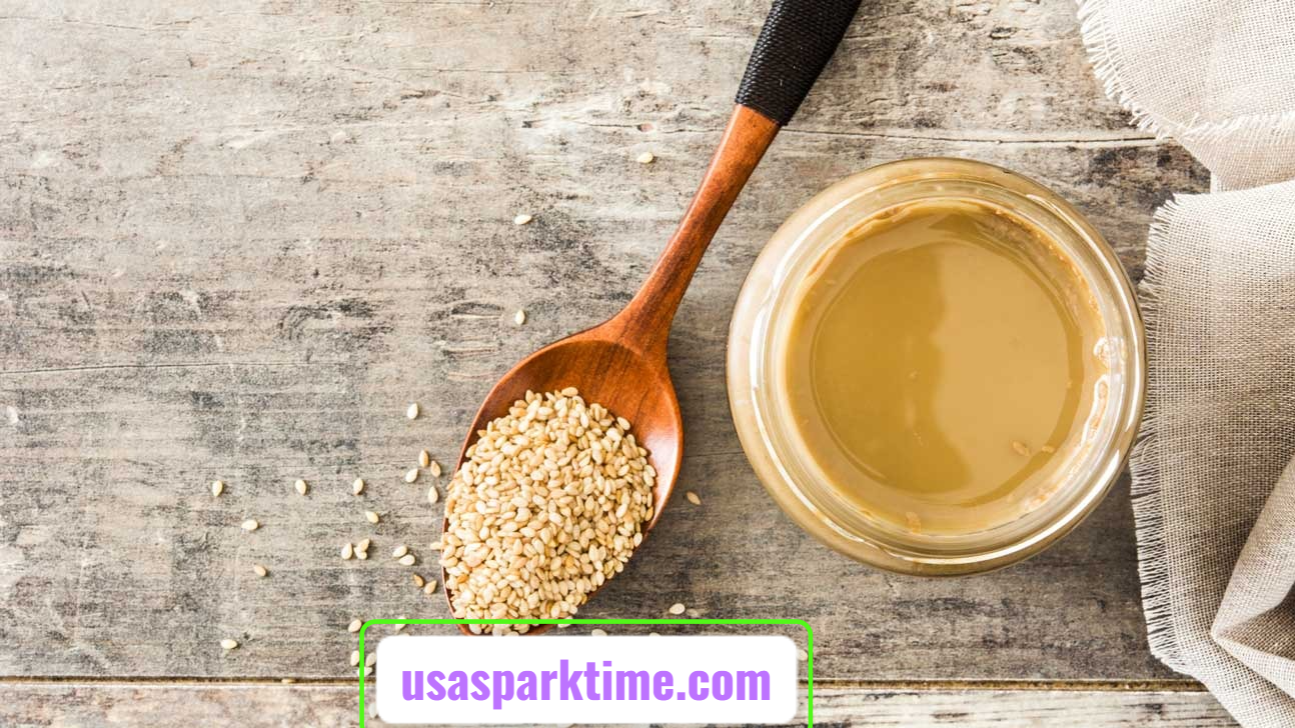
Tahini is a creamy paste made from ground sesame seeds, widely used in Middle Eastern cuisine. Packed with protein, healthy fats, vitamins, and minerals, it enhances both savory and sweet dishes. From hummus and dressings to desserts, tahini is versatile and nutritious. Its nutty flavor complements many recipes, and consuming it regularly can support heart health, bone strength, and digestion. Quality, storage, and choosing the right type play a key role in maximizing taste and benefits.
Tahini is a traditional Middle Eastern sesame paste that has gained global popularity for its flavor and health benefits. Made by grinding toasted or raw sesame seeds, tahini is rich in protein, fiber, and essential minerals such as calcium, magnesium, and iron. It is used in a variety of dishes—from hummus and baba ganoush to sauces, dressings, and desserts. Tahini also provides antioxidants and heart-healthy fats. This article explores its origins, production methods, nutritional profile, culinary uses, and tips for selecting and storing high-quality tahini, making it a staple in modern kitchens.
What is Tahini? Exploring the Nutty Middle Eastern Paste
Tahini is a smooth, creamy paste made from sesame seeds. It has a distinctive nutty flavor with a slightly earthy undertone, setting it apart from peanut or almond butter. It is widely used in Middle Eastern cuisine and can be consumed raw, roasted, or blended into sauces, dressings, and desserts. Tahini’s creamy texture makes it versatile, while its high content of protein, healthy fats, and minerals adds nutritional value. Incorporating tahini into your diet enhances both flavor and health, making it a kitchen staple.
The History and Origins of Tahini
Tahini has ancient roots in the Middle East, where sesame seeds were first cultivated thousands of years ago. Early civilizations, such as the Egyptians and Mesopotamians, valued sesame seeds for their oil and nutritional properties. Over time, grinding sesame seeds into a paste became common, forming the base of iconic dishes like hummus and baba ganoush. Today, tahini continues to play a significant role in Middle Eastern culture and cuisine. Its long history showcases its enduring appeal, flavor, and importance as both a food and a source of essential nutrients.
How Tahini is Made: From Sesame Seeds to Smooth Paste
Tahini is made by grinding sesame seeds into a smooth paste. The seeds can be raw or lightly roasted to enhance their nutty flavor. Some manufacturers add a small amount of oil for creaminess, while high-quality tahini often relies solely on natural sesame oils. The process may involve stone grinding or modern mechanical methods, both producing a smooth, versatile paste. This simple yet precise preparation ensures tahini maintains its rich flavor and nutritional profile, making it suitable for sauces, dips, desserts, and even beverages.
Traditional vs Modern Tahini Production Methods
Traditional tahini is produced using stone grinders, preserving the authentic flavor and texture of sesame seeds. Modern production often involves mechanical grinders, pasteurization, and larger-scale methods to extend shelf life. While modern techniques make tahini more widely available, they can slightly reduce its depth of flavor. Artisanal tahini retains a richer taste, while commercial versions may be milder. Understanding these differences helps consumers select the right type for both culinary uses and nutritional benefits, balancing taste, quality, and convenience.
Health Benefits of Tahini: Why You Should Include It in Your Diet
Tahini is a nutrient-dense paste offering multiple health benefits. It is high in plant-based protein, healthy fats, and minerals like calcium, magnesium, and iron, supporting bone strength and heart health. Tahini also contains antioxidants that help reduce inflammation and promote overall well-being. Its fiber aids digestion, while healthy fats improve satiety and energy levels. Regularly incorporating tahini into your diet can enhance meals’ nutritional value while providing a flavorful, versatile ingredient suitable for sweet and savory dishes alike.
Tahini Nutrition Facts: Protein, Vitamins, and Healthy Fats Explained
A typical 2-tablespoon serving of tahini contains about 180 calories, 5 grams of protein, 16 grams of healthy fat, and 2 grams of fiber. It is a rich source of vitamins B1, B2, and E, as well as minerals such as calcium, magnesium, and phosphorus. The healthy fats support heart health, while protein and fiber contribute to fullness and digestion. Compared to other nut and seed butters, tahini has a unique combination of nutrients without added sugars, making it both a delicious and functional ingredient for a balanced diet.
Culinary Uses of Tahini Around the World
Tahini is versatile in both traditional and modern cuisine. In Middle Eastern dishes, it forms the base of hummus, baba ganoush, and salad dressings. In Western kitchens, tahini can be used in sauces, dips, smoothies, and desserts like cookies or chocolate spreads. Its nutty flavor complements sweet and savory foods alike, while its creamy texture adds richness without overpowering other ingredients. Whether incorporated into everyday meals or gourmet recipes, tahini enhances flavor, nutrition, and culinary creativity.
Tahini vs Other Nut and Seed Butters: What Makes It Unique
Unlike peanut, almond, or cashew butter, tahini is made purely from sesame seeds. It has a slightly bitter and earthy taste that works well in both sweet and savory recipes. Tahini is naturally rich in calcium, magnesium, and antioxidants, whereas other nut butters may include added oils or sugar. Its texture and flavor make it ideal for Middle Eastern cuisine and versatile enough for global dishes. Choosing tahini over other spreads offers both unique taste and a dense nutritional profile, making it a healthier, functional alternative.
Tips for Buying and Storing High-Quality Tahini
When buying tahini, look for 100% pure sesame seeds with no additives. Organic options often have better flavor. Store tahini in a cool, dark place, or refrigerate to extend shelf life. Natural oils may separate, so stir well before each use. High-quality tahini should have a smooth, creamy texture and a rich nutty aroma. Avoid products with preservatives, artificial flavors, or excessive salt to enjoy authentic taste and maximum health benefits in your recipes.
Tahini for Vegan and Plant-Based Diets
Tahini is a perfect ingredient for vegan and plant-based diets. It provides protein, calcium, and healthy fats without any animal products. Tahini can replace dairy in creamy sauces, salad dressings, and desserts. It also pairs well with legumes, grains, and vegetables, making it an ideal component in plant-based meals. Using tahini in vegan recipes ensures balanced nutrition while adding flavor, richness, and versatility to dishes, making it an essential pantry staple for anyone following a plant-based lifestyle.
Understanding Sesame Seeds: The Heart of Tahini
Sesame seeds are the main ingredient in tahini, providing essential nutrients and the paste’s signature flavor. They are rich in protein, fiber, and minerals such as calcium, magnesium, and iron. The oils in sesame seeds give tahini its creamy texture, while roasting enhances flavor and aroma. Knowing the origin, variety, and processing of sesame seeds helps consumers select tahini with the best taste, quality, and nutritional value. Choosing the right sesame seeds ensures a superior paste for both cooking and health benefits.
Also read this :What Is a FUPA and How Does It Develop? Causes, Treatment, and Management
Tahini in Middle Eastern Cuisine: Traditional Dishes You Must Try
Tahini is integral to classic Middle Eastern dishes like hummus, baba ganoush, falafel, and halva. It provides creaminess and depth of flavor that complements spices, lemon, garlic, and olive oil. Beyond savory meals, tahini is used in desserts such as cookies and halva. Its versatility allows chefs and home cooks to experiment with both traditional and modern recipes, enhancing flavor while adding nutrition. Sampling authentic tahini-based dishes is the best way to appreciate its cultural and culinary significance.
Conclusion & Call-to-Action
Tahini is a versatile, nutritious, and flavorful Middle Eastern paste that enhances a variety of dishes while providing essential nutrients. Its long history, rich taste, and health benefits make it a must-have in modern kitchens. Start incorporating tahini into your meals today—blend it in dressings, hummus, or desserts—and enjoy both its taste and wellness advantages. Experimenting with tahini opens doors to delicious, nutrient-packed meals that are simple, authentic, and satisfying.
Frequently
Q1: Is tahini good for weight loss?
Yes, tahini is nutrient-dense and contains protein and healthy fats that help maintain fullness, making it suitable for weight management when eaten in moderation.
Q2: Can tahini be eaten raw?
Yes, raw tahini is safe and nutritious, though roasting enhances flavor.
Q3: How long does tahini last?
Unopened tahini lasts 6–12 months. Refrigeration after opening extends freshness for 3–6 months.
Q4: Is tahini vegan?
Yes, it is entirely plant-based and suitable for vegan diets.
Q5: Can tahini support bone health?
Yes, its high calcium, magnesium, and phosphorus content supports strong bones.
Q6: How can I prevent tahini from separating?
Stir thoroughly before use and store in a cool, dark place or fridge.
Q7: What dishes pair well with tahini?
Tahini complements hummus, dressings, roasted vegetables, dips, and desserts.
For more info :usasparktime.com
