
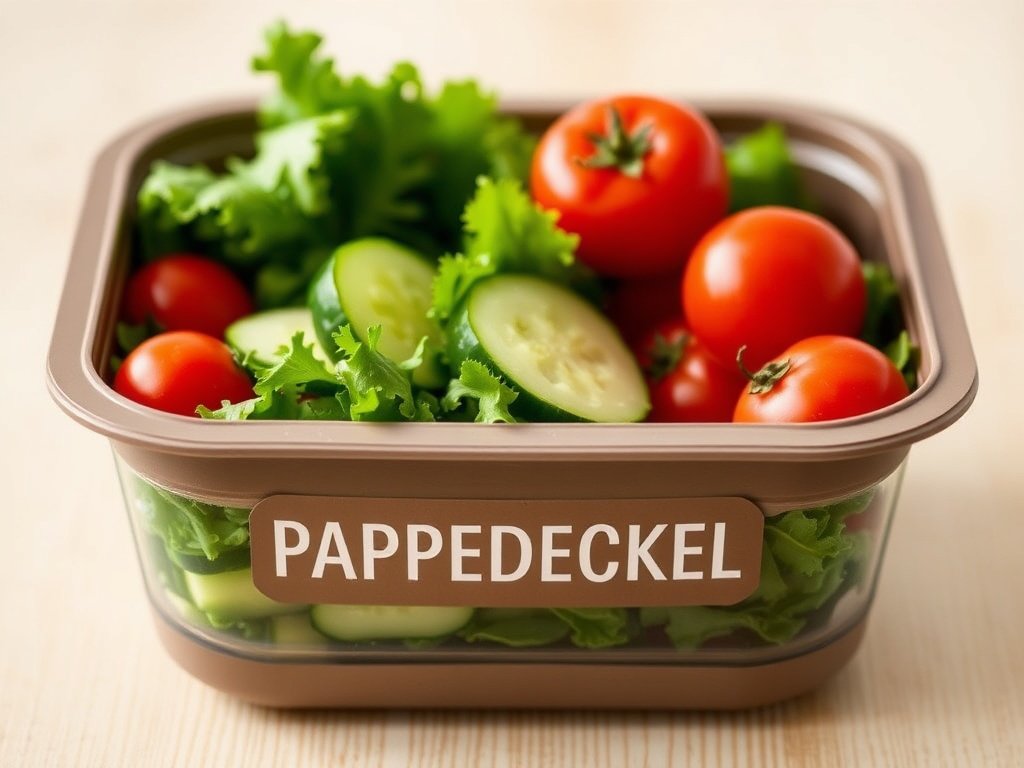
Pappedeckel is an eco-friendly, biodegradable packaging material that replaces traditional plastic and cardboard lids. It reduces environmental impact, supports sustainable business practices, and enhances brand image. Popular in food and beverage industries, Pappedeckel is durable, customizable, and fully recyclable, making it the ideal solution for companies aiming for sustainability without compromising quality or cost-effectiveness.
Sustainable packaging is no longer optional—it’s essential. Pappedeckel, a biodegradable and recyclable lid solution, is rapidly transforming modern packaging across industries. From reducing plastic waste to improving brand perception, Pappedeckel offers businesses a practical and environmentally responsible alternative. Its flexibility, durability, and cost-effectiveness make it suitable for food, beverage, and retail packaging. This article explores Pappedeckel’s benefits, applications, and future trends, guiding businesses and consumers toward greener solutions. By combining innovation with sustainability, Pappedeckel not only protects products but also protects the planet, making it a smart choice for the eco-conscious market.
What is Pappedeckel and Its Role in Modern Packaging
Pappedeckel is a sustainable packaging lid made from biodegradable and recyclable materials. Unlike conventional plastic or coated cardboard, it decomposes naturally, reducing landfill waste and pollution. Businesses increasingly adopt Pappedeckel because it aligns with environmental regulations and consumer demand for eco-conscious products. Its lightweight yet sturdy design ensures durability during transport, while customizable shapes and sizes cater to various industries. By integrating Pappedeckel into packaging systems, companies achieve practical sustainability without compromising on quality, efficiency, or cost.
Environmental Impact of Traditional Packaging
Conventional packaging materials, including plastic and laminated cardboard, are major contributors to global pollution. Plastics take hundreds of years to degrade, while coated cardboard often resists recycling processes. These materials release harmful chemicals during decomposition and strain waste management systems. Consumers are now increasingly aware of environmental concerns, favoring sustainable alternatives. Pappedeckel addresses these challenges by being fully biodegradable, reducing carbon footprints, and supporting circular economy practices. Its adoption promotes cleaner production cycles, lowers waste, and demonstrates corporate responsibility toward the environment.
Applying sustainable materials management principles to packaging highlights an opportunity for both environmental and economic benefits. By shifting toward lighter, more efficient, and easily recoverable materials, companies can reduce waste generation and operational costs. Not only does this approach keep valuable materials out of landfills through increased recycling and composting, but it also recaptures commodity value that would otherwise be lost. As businesses and consumers demand smarter solutions, integrating products like Pappedeckel becomes essential for reducing the environmental impact of packaging and fostering a truly sustainable marketplace.
Why Recovery and Recycling Matter
Recovering and recycling packaging materials plays a critical role in sustainable business practices. By reclaiming these resources, companies prevent valuable materials from ending up in landfills, reducing environmental harm and conserving natural resources. Recycling not only diverts waste but also creates a closed-loop system where materials—like those in Pappedeckel—can be repurposed into new products.
This approach supports the circular economy, lowers disposal costs, and unlocks additional revenue streams from high-quality recycled commodities. Businesses that prioritize recovery and recycling enhance their sustainability credentials, meet regulatory requirements, and appeal to eco-conscious consumers seeking responsible packaging choices.
How Sustainable Materials Management Reduces Packaging’s Environmental Impact
Applying sustainable materials management principles to packaging can significantly minimize environmental harm and support business growth. By choosing lighter and more resource-efficient materials, companies not only cut down on raw material use and transportation emissions, but also save on production and logistics costs.
Furthermore, prioritizing packaging designs that are easier to recycle or compost means less waste ends up in landfills, reducing pollution and conserving landfill space. Reclaiming used packaging materials is also key—many discarded materials have considerable value and can be processed into new products, fueling a circular economy. For businesses, this approach brings cost savings, compliance advantages, and a stronger reputation for environmental stewardship. For consumers and the planet, it means less waste, reduced greenhouse gas emissions, and more sustainable choices at every step.
Industries Adopting Pappedeckel Solutions
The food and beverage industry leads in adopting Pappedeckel, particularly for coffee cups, takeaway containers, and packaging for ready-to-eat meals. Retail, cosmetics, and health sectors are also exploring Pappedeckel for product lids. Sustainable initiatives attract environmentally conscious consumers, enhancing brand value.
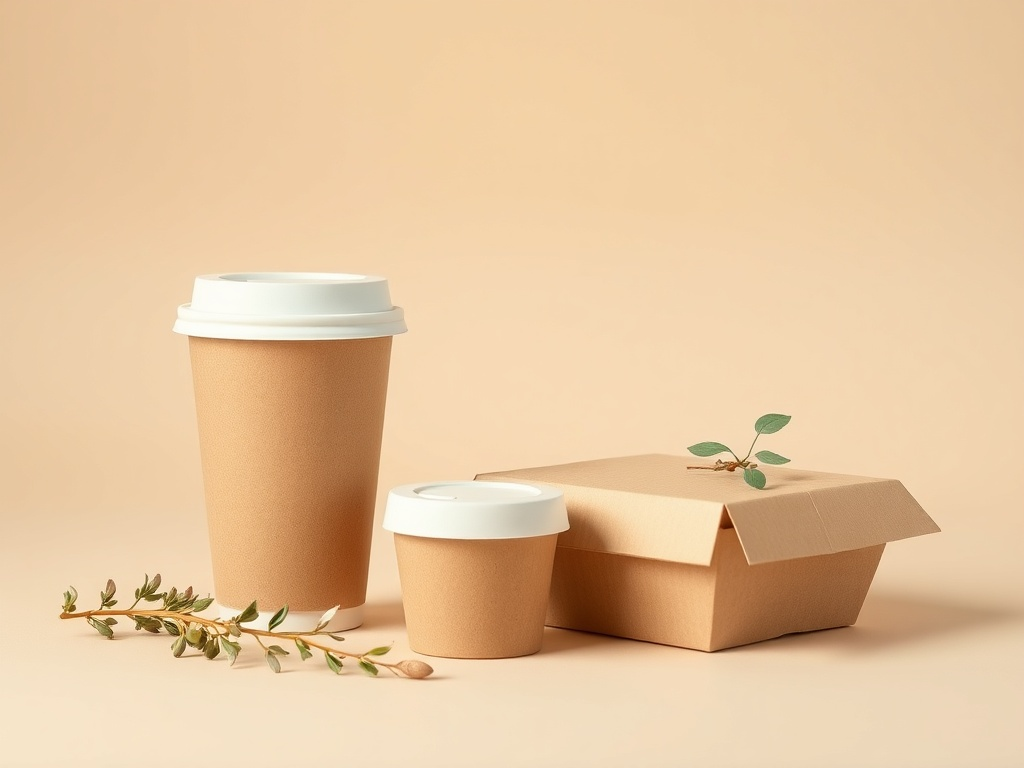
Manufacturers favor Pappedeckel due to its customizable design, durability, and compliance with environmental standards. The shift toward biodegradable packaging reflects a broader trend of green innovation across industries, demonstrating that sustainability can coexist with profitability and efficiency while meeting consumer expectations for responsible practices.
Also read this: Who called 01295804660 Scam Alert Guide: Identify, Report, and Stay Safe
Pappedeckel vs Plastic: Which Is More Eco-Friendly?
While plastic lids are cheap and durable, they pose severe environmental hazards. Plastics persist for centuries and contribute to ocean pollution. Pappedeckel, in contrast, decomposes naturally and is recyclable, offering a much smaller ecological footprint. Its production requires fewer resources and emits fewer greenhouse gases. Moreover, Pappedeckel improves waste management by integrating into composting systems. Companies choosing Pappedeckel not only reduce environmental harm but also appeal to a growing eco-conscious audience. This sustainable choice provides long-term benefits for the planet and enhances corporate responsibility initiatives.
The Science Behind Pappedeckel Biodegradability
Pappedeckel is engineered from cellulose and renewable fibers that microorganisms can naturally decompose. Unlike coated cardboard, which resists breakdown, Pappedeckel dissolves into harmless organic matter. Its manufacturing involves minimal chemical additives, ensuring that decomposition does not release toxins. Lab tests confirm its rapid biodegradation under composting conditions, making it suitable for both industrial and home composting. This scientific approach guarantees eco-friendliness without compromising performance, offering businesses a reliable solution that meets environmental standards while protecting products during transport and storage.
Cost-Effectiveness for Businesses
Although biodegradable packaging may seem costlier initially, Pappedeckel proves economically viable over time. Reduced waste management costs, improved brand loyalty, and regulatory compliance can offset production expenses. Bulk production and adoption by multiple industries have further lowered unit costs. Additionally, using Pappedeckel enhances market competitiveness, attracting environmentally conscious customers willing to pay a premium. Businesses adopting Pappedeckel benefit from both operational savings and marketing advantages, demonstrating that sustainability and profitability are not mutually exclusive. Long-term investment in eco-friendly packaging also prepares companies for stricter future regulations.
Design Flexibility and Customization
Pappedeckel offers unparalleled design flexibility for modern packaging needs. Businesses can choose various sizes, colors, and finishes to align with brand identity. It accommodates embossed logos, patterns, and functional shapes without compromising biodegradability. The material’s strength ensures lids maintain integrity during transport, storage, and display. Customizable designs enhance product presentation, consumer experience, and sustainability messaging. By integrating Pappedeckel into packaging designs, companies can communicate eco-conscious values while creating visually appealing products that stand out on shelves and meet the expectations of environmentally aware customers.
Consumer Preferences and Brand Loyalty
Modern consumers increasingly prioritize sustainability when making purchasing decisions. Brands using Pappedeckel demonstrate environmental responsibility, which strengthens consumer trust. Research shows eco-friendly packaging enhances perceived product value, encouraging repeat purchases and positive reviews. Pappedeckel’s natural aesthetic appeals to audiences seeking authentic and responsible brands. Companies leveraging sustainable packaging can differentiate themselves from competitors, improve brand perception, and build loyal customer bases. This alignment between product integrity and eco-conscious practices reflects a strategic marketing advantage in today’s sustainability-driven market landscape.
Step-by-Step Guide to Adopting Pappedeckel
Switching to Pappedeckel involves several steps: evaluate current packaging materials, choose the right lid size and design, partner with certified suppliers, and integrate the new packaging into production lines. Employee training ensures proper handling, storage, and usage. Communicate the transition to consumers to enhance brand reputation. Regularly monitor performance and customer feedback to refine processes. By following these steps, businesses can seamlessly adopt Pappedeckel, minimizing operational disruption while maximizing environmental benefits, brand visibility, and compliance with evolving sustainability standards.
Common Misconceptions About Pappedeckel
Some assume biodegradable lids cannot match plastic in strength or durability. Others believe costs outweigh benefits. However, modern Pappedeckel is robust, leak-resistant, and cost-effective at scale. Biodegradability does not compromise functionality, and it integrates smoothly into existing production systems. Another misconception is that eco-friendly packaging cannot be visually appealing; customizable designs prove otherwise. Understanding these facts helps businesses make informed decisions, reduce hesitation, and adopt sustainable practices without sacrificing product quality, aesthetics, or operational efficiency.
Case Studies: Brands Using Pappedeckel
Several companies have successfully transitioned to Pappedeckel. Leading coffee chains, meal delivery services, and cosmetic brands report reduced plastic waste, positive consumer feedback, and enhanced brand reputation. Metrics indicate decreased landfill contributions and improved operational sustainability. These case studies demonstrate practical application, cost savings, and marketing advantages. By analyzing these examples, other businesses can learn effective strategies for integration, supplier partnerships, and consumer communication. Real-world success stories provide tangible proof that Pappedeckel adoption is feasible, beneficial, and increasingly essential for modern packaging.
Future Trends in Sustainable Packaging
Sustainable packaging is evolving rapidly, with biodegradable and recyclable solutions becoming standard. Pappedeckel will likely integrate with smart packaging technologies, including QR codes and eco-labels. Circular economy initiatives will further encourage adoption, while government incentives and regulations push businesses toward greener alternatives. Consumers’ preference for transparency and sustainability will continue to drive innovation. Companies investing in Pappedeckel today are positioning themselves ahead of competitors, meeting environmental expectations, and future-proofing operations. Sustainable packaging is no longer optional—it is an essential business strategy.
Tips to Market Products Using Pappedeckel
Highlighting eco-friendly packaging in marketing campaigns boosts brand perception and consumer engagement. Use social media, product labeling, and in-store displays to communicate Pappedeckel’s environmental benefits. Showcase certifications, sustainability stories, and measurable impact data to increase credibility. Combining functionality, aesthetics, and sustainability messaging enhances brand identity. By educating consumers about Pappedeckel’s benefits, businesses can increase conversion rates, foster loyalty, and differentiate themselves in a crowded market while promoting eco-conscious purchasing behavior.
Pappedeckel Certification and Industry Standards
Certified Pappedeckel meets rigorous environmental standards, ensuring biodegradability, recyclability, and safe production processes. Labels like FSC or EN 13432 provide verification of sustainability claims. Compliance with industry standards reassures consumers and regulators alike. Businesses adopting certified Pappedeckel gain credibility, reduce legal risks, and position themselves as responsible industry leaders. Following certification guidelines also ensures consistent quality, durability, and eco-friendliness, establishing trust and demonstrating commitment to sustainable packaging practices.
Conclusion
Pappedeckel is the ultimate solution for sustainable packaging, combining eco-friendliness, durability, and cost-effectiveness. Businesses benefit from reduced environmental impact, enhanced brand reputation, and compliance with modern sustainability standards, making it an essential investment for the future of packaging.
FAQs
1. What materials are Pappedeckel made of?
Pappedeckel is made from biodegradable fibers like cellulose and renewable plant-based materials. Much like other everyday packaging—think plastic bottles, metal cans, food wrappings, and corrugated cardboard—Pappedeckel’s composition is designed for practicality and sustainability. The key difference? Unlike traditional packaging, which often relies on plastics or metals, Pappedeckel focuses on fibers that break down naturally, helping reduce environmental impact while still providing reliable protection and versatility.
2. Is Pappedeckel stronger than plastic lids?
Yes, modern Pappedeckel is durable, leak-resistant, and suitable for most packaging needs.
3. Can Pappedeckel be recycled?
Absolutely, it’s fully recyclable and decomposes naturally in composting systems.
4. Which industries use Pappedeckel most?
Food, beverage, retail, and cosmetics industries widely use Pappedeckel for eco-friendly lids.
5. Does using Pappedeckel reduce costs?
Long-term, yes—savings come from waste management reduction and increased brand loyalty. Encouraging the shift in packaging construction towards more lightweight or efficient materials helps companies save money while decreasing the amount of waste generated when the packaging is discarded. By adopting solutions like Pappedeckel, businesses not only cut down on disposal costs but also benefit from a more sustainable image, which can translate into customer trust and repeat purchases.
6. How do consumers respond to Pappedeckel packaging?
Consumers prefer eco-friendly packaging, boosting trust, engagement, and repeat purchases.
7. Is Pappedeckel certified for sustainability?
Yes, certifications like FSC or EN 13432 verify its biodegradability and eco-friendly production.
For more info: usasparktime.com
