
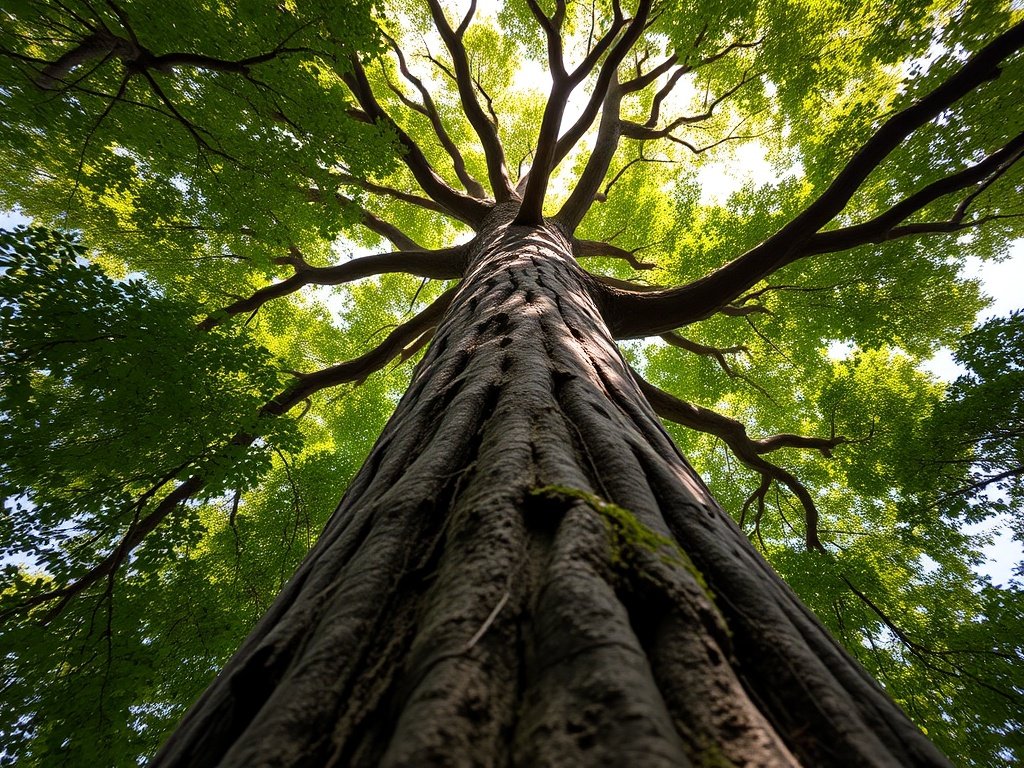
Ohio trees include a wide variety of native and ornamental species, such as maple, oak, and dogwood. They thrive in Ohio’s diverse climate when planted correctly and maintained with proper pruning, watering, and soil care. Choosing the right tree depends on your space, sunlight, and landscaping goals, whether for shade, aesthetics, or supporting wildlife.
Ohio’s trees are more than just greenery—they shape the state’s landscapes, support local wildlife, and provide environmental benefits. From towering oaks to delicate dogwoods, the variety of Ohio trees suits gardens, urban areas, and forests alike. This guide explores native species, growth patterns, planting techniques, and seasonal care tips to ensure healthy, long-lasting trees. Readers will also learn about common pests, pruning strategies, and eco-friendly practices that enhance both beauty and sustainability. Whether you’re a homeowner, landscaper, or nature enthusiast, understanding Ohio trees helps you make informed choices for shade, aesthetics, and wildlife support, turning any outdoor space into a thriving, natural haven.
Overview of Ohio Trees
Ohio is home to a rich variety of tree species, ranging from native oaks and maples to ornamental dogwoods and flowering cherries. These trees thrive in the state’s humid continental climate, adapting to both urban and rural settings. Trees in Ohio not only enhance property aesthetics but also provide ecological benefits like air purification, wildlife habitat, and soil protection. Understanding the local climate, soil types, and rainfall patterns is crucial before selecting the right Ohio tree for landscaping, shade, or conservation purposes.
Top Native Ohio Trees
Native Ohio trees like red maple, white oak, and eastern redbud are ideal for sustainable landscaping. They are well-adapted to local weather, resistant to many pests, and support native wildlife. These trees also contribute to soil health and prevent erosion. Planting native species reduces the need for fertilizers and extra water, making maintenance easier. Choosing native Ohio trees ensures longevity and ecological harmony while enhancing the natural beauty of yards, parks, and forests. These species also provide seasonal color changes, attracting both humans and wildlife.
Fast-Growing Trees in Ohio
Homeowners often prefer fast-growing trees for immediate shade and landscaping impact. Species such as silver maple, tulip tree, and hybrid poplar can grow several feet per year under ideal conditions. While rapid growth provides quick benefits, it requires proper pruning and soil management to avoid weak branches or disease. Fast-growing Ohio trees are perfect for large yards and urban areas needing quick coverage. However, planning their location is crucial, as roots may affect sidewalks or foundations if planted too close to structures.
Ohio Tree Identification Tips
Identifying Ohio trees involves observing leaves, bark, fruit, and branching patterns. Maples display lobed leaves, while oaks have rounded or pointed lobes. Bark textures vary: smooth sugar maples versus deeply ridged white oaks. Flowers and seeds, like acorns or samaras, offer additional clues. Seasonal observation is helpful, as leaf shapes and colors change throughout the year. Learning to identify trees accurately allows for proper care, pest control, and landscaping decisions, ensuring that Ohio trees thrive in their designated environment.
Seasonal Care for Ohio Trees
Ohio trees require different care each season. Spring calls for pruning dead branches and applying fertilizer. Summer involves consistent watering and monitoring for pests. In fall, mulching around the base protects roots during winter. Winter maintenance focuses on inspecting for broken branches and preventing ice damage. Proper seasonal care ensures healthy growth, disease resistance, and longer tree lifespan. Adapting to Ohio’s climate and seasonal variations enhances the survival and vitality of both native and ornamental trees across the state.
Ohio’s Most Iconic Trees
Certain Ohio trees are celebrated landmarks, such as the towering white oaks in state parks or historic maples lining city streets. These iconic trees represent cultural and natural heritage, attracting visitors and photographers alike. They often live for decades, shaping ecosystems and community spaces. Preserving these trees involves monitoring health, managing surrounding soil, and protecting them from urban stressors. Iconic Ohio trees inspire appreciation for nature, encourage eco-friendly practices, and provide educational opportunities about forestry, biodiversity, and environmental stewardship.
Planting Ohio Trees: Step-by-Step
Proper planting ensures long-term growth for Ohio trees. Start by selecting a suitable species based on sunlight, soil type, and space availability. Dig a hole twice as wide as the root ball, set the tree at correct depth, and backfill with nutrient-rich soil. Water thoroughly after planting and apply mulch to retain moisture. Support young trees with stakes if needed. Following a careful planting process increases survival rates, reduces stress, and encourages strong root systems, making the Ohio tree resilient to weather, pests, and urban conditions.
Also read this: Who Called Me? 0330 174 6832 Explained and Verified Guide
Shade vs. Ornamental Trees
Choosing between shade and ornamental trees depends on your goals. Shade trees, such as oaks and maples, provide cooling, reduce energy costs, and create outdoor comfort zones. Ornamental trees like flowering dogwoods or crabapples enhance aesthetics with seasonal blossoms and vibrant foliage. Combining both types offers functional and visual benefits. Consider growth rate, mature size, and root patterns to ensure a healthy landscape. Proper planning prevents overcrowding and ensures each Ohio tree receives adequate sunlight, water, and space to flourish.
Common Pests and Diseases
Ohio trees face threats like emerald ash borer, gypsy moths, and fungal infections such as anthracnose. Early detection and intervention are key to preventing extensive damage. Regular inspections, proper pruning, and maintaining tree health reduce susceptibility. Using native or resistant species minimizes chemical treatments. Integrated pest management combines cultural, biological, and mechanical controls. Protecting Ohio trees from pests and diseases ensures long-term growth, enhances aesthetic value, and preserves ecological balance for local wildlife.
Eco-Friendly Benefits of Ohio Trees
Planting Ohio trees contributes to air purification, carbon sequestration, and water conservation. Trees reduce urban heat, prevent soil erosion, and provide habitats for birds and pollinators. Integrating trees into landscapes supports sustainability while enhancing property value. Choosing native species reduces maintenance and chemical use. Eco-friendly practices include mulching, avoiding overwatering, and encouraging biodiversity. Trees play a critical role in mitigating climate change effects and promoting environmental health in Ohio, making them essential for both human and ecological well-being.
Ohio Trees Supporting Wildlife
Ohio trees like hickory, oak, and cherry provide food and shelter for birds, squirrels, and pollinators. Flowering trees attract bees and butterflies, promoting pollination. Fruit-bearing trees support mammals and local ecosystems. Preserving native species and avoiding pesticides ensures wildlife thrive. By planting Ohio trees thoughtfully, homeowners create microhabitats that maintain biodiversity. Supporting wildlife enhances natural pest control, encourages ecological balance, and connects people with local flora and fauna, promoting environmental education and stewardship.
Urban Tree Planting Tips
In urban Ohio environments, trees face challenges like limited soil, pollution, and foot traffic. Species selection is crucial—choose hardy, pollution-tolerant trees such as Ginkgo or honeylocust. Use proper spacing, quality soil, and protective barriers. Regular watering and pruning are essential to maintain growth and aesthetics. Urban Ohio trees reduce heat islands, improve air quality, and beautify neighborhoods. Thoughtful planning ensures longevity while providing shade, wildlife support, and visual appeal in city landscapes.
Also read this:Nahttypen: Seam Techniques That Shape Professional Sewing Projects
Pruning and Maintenance Schedule
Regular pruning maintains tree health and safety. Spring and late fall are optimal for removing dead branches and shaping growth. Avoid excessive cuts to prevent stress or disease. Fertilize based on soil tests and water during dry spells. Mulching reduces weeds and retains moisture. Maintaining Ohio trees ensures strong structure, vibrant foliage, and resistance to pests. A consistent schedule promotes beauty, safety, and longevity, creating a well-cared-for landscape that enhances property value.
Ohio Trees for Landscaping Design
Landscaping with Ohio trees blends functionality and aesthetics. Use taller trees for privacy, shade, or windbreaks. Ornamental trees add seasonal color and focal points. Layer trees with shrubs and perennials to create depth and visual interest. Consider native species for sustainability and wildlife support. Proper layout ensures sunlight access, prevents overcrowding, and enhances curb appeal. Thoughtful design maximizes ecological and aesthetic benefits, making Ohio trees integral to creating harmonious outdoor spaces.
Rare and Endangered Ohio Trees
Some Ohio trees, like the Kentucky coffeetree or American chestnut, are rare or endangered due to habitat loss or disease. Preserving these species is vital for biodiversity and ecological balance. Planting and protecting rare trees in private gardens, parks, and conservation areas supports their survival. Monitoring health, preventing disease, and promoting awareness are essential. By safeguarding rare Ohio trees, communities contribute to heritage conservation, environmental education, and long-term ecological resilience.
Conclusion
Ohio trees enrich the landscape, support wildlife, and offer environmental benefits. From native species to ornamental selections, understanding growth, care, and seasonal needs ensures thriving, healthy trees. Choosing the right species, monitoring for pests, and following proper maintenance schedules create long-lasting, sustainable outdoor spaces. Whether for shade, beauty, or ecological contribution, planting and preserving Ohio trees is a rewarding investment for homeowners, urban planners, and nature enthusiasts alike.
FAQs
- What are the most common Ohio trees?
Red maple, white oak, dogwood, and hickory are widely found across Ohio landscapes. - How fast do Ohio trees grow?
Growth rates vary: silver maples and hybrid poplars grow fast, while oaks and dogwoods grow slowly. - When is the best time to plant trees in Ohio?
Early spring or fall provides ideal soil moisture and mild temperatures for planting. - How do I identify native Ohio trees?
Look for leaf shapes, bark texture, flowers, and seeds like acorns or samaras. - What pests commonly affect Ohio trees?
Emerald ash borer, gypsy moths, and fungal infections like anthracnose are common threats. - Do Ohio trees support wildlife?
Yes, many trees provide food and shelter for birds, squirrels, and pollinators. - Which trees are best for urban Ohio areas?
Hardy, pollution-tolerant species like honeylocust, Ginkgo, and red maple thrive in cities.
For more info: usasparktime.com
