
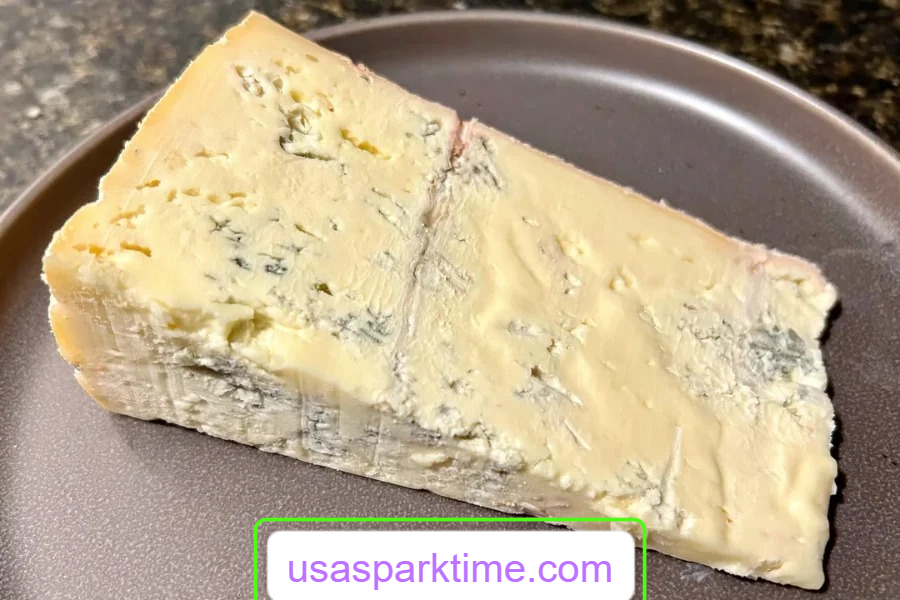
Masgonzola and Gorgonzola are Italian blue cheeses that look similar but differ in flavor, texture, and aging. Masgonzola is creamier, milder, and spreadable, while Gorgonzola is sharper, tangier, and firmer. Both are made from cow’s milk, but their production, aging, and regional origins make them unique. Choosing the right cheese depends on taste preferences, recipes, or pairing with wine.
Masgonzola and Gorgonzola are two famous Italian blue cheeses, often confused due to their similar appearance. Masgonzola is soft, creamy, and has a mild, nutty flavor, making it perfect for spreading or adding to subtle dishes. Gorgonzola is bolder, tangier, and more pungent, ideal for risottos, sauces, or cheese boards. This article explores their history, flavor, texture, production, aging, nutrition, cooking uses, and pairing tips, helping cheese lovers understand and enjoy each variety. Knowing the differences ensures better culinary choices and a richer tasting experience.
Masgonzola and Gorgonzola are two iconic Italian blue cheeses, often compared by chefs and cheese lovers. Masgonzola is milder and creamier, making it perfect for those new to blue cheeses. Gorgonzola has a sharper, tangier flavor and stronger aroma, suitable for bold culinary applications. Both cheeses are made from cow’s milk, but differences in aging, mold, and production methods make them distinct. Understanding these differences can improve recipe choices, wine pairings, and cheese board presentations. Choosing the right cheese ensures the intended flavor and texture shine in every dish.
What Is Masgonzola?
Masgonzola is a soft, creamy blue cheese known for its mild flavor and smooth texture. Made from cow’s milk, it contains subtle blue veins and is aged for a shorter period, giving it a less pungent taste. Its creamy consistency makes it ideal for spreading on bread, mixing into pasta sauces, or topping salads. Masgonzola is approachable for beginners and complements delicate dishes without overpowering other ingredients. Its gentle, slightly nutty flavor adds a rich touch to meals while remaining versatile enough for many culinary applications.
What Is Gorgonzola?
Gorgonzola is a bold Italian blue cheese with a strong, tangy flavor and distinctive aroma. Made from cow’s milk, it comes in two types: Gorgonzola Dolce, which is creamy and slightly sweet, and Gorgonzola Piccante, which is crumbly and sharp. Aging longer than Masgonzola, it develops pronounced flavor and texture. Gorgonzola is ideal for risottos, sauces, and cheese boards, offering a robust taste experience. Its sharpness balances well with sweet accompaniments like figs or honey and pairs perfectly with red wines, enhancing the overall dining experience.
Origins and History
Both cheeses come from northern Italy, but from different regions and traditions. Masgonzola is less common, often produced in smaller dairies, and focuses on freshness and creaminess. Gorgonzola comes from the town of Gorgonzola near Milan, with a history spanning over a thousand years. Traditional methods, including careful inoculation with Penicillium roqueforti mold, give it its signature blue veins. Learning the historical background of each cheese explains their taste, texture, and cultural importance in Italian cuisine. These roots highlight why each cheese is unique and valued by chefs worldwide.
Flavor Comparison
Masgonzola is mild, creamy, and slightly nutty, making it approachable for most people. Gorgonzola is tangy, sharp, and more pungent due to longer aging and more pronounced mold development. Flavor differences determine which cheese works best in cooking: Masgonzola blends smoothly into sauces and salads, while Gorgonzola provides a bold punch in recipes requiring strong flavor. The intensity of taste affects wine pairings, portion sizes, and serving suggestions. Understanding these flavor profiles ensures each cheese enhances dishes appropriately and satisfies a range of palates.
Texture Differences
Masgonzola has a smooth, spreadable texture, making it ideal for bread, sandwiches, or melting in creamy dishes. Gorgonzola ranges from creamy (Dolce) to crumbly (Piccante), giving it more versatility in cooking applications. Its firmer texture allows crumbling over salads, pizzas, and baked dishes, adding a distinct mouthfeel. The difference in consistency is key when selecting cheeses for recipes: Masgonzola offers easy blending, while Gorgonzola stands out in bold preparations. Texture also influences sensory experience, enhancing enjoyment of flavor and aroma with each bite.
Milk and Production
Both cheeses are made from cow’s milk, but Masgonzola usually uses whole milk for creaminess, while Gorgonzola may include slightly lower-fat milk. Production techniques, such as curd handling, mold inoculation, and aging environment, create unique characteristics. Gorgonzola’s longer aging results in stronger aroma and sharper taste, whereas Masgonzola’s shorter maturation keeps it mild and approachable. Understanding milk types and production helps cheese enthusiasts appreciate why these cheeses taste different and how they can be used in cooking to achieve desired flavors and textures.
Appearance and Color
Masgonzola has soft blue veins on a pale ivory base, giving it a delicate appearance. Gorgonzola often has pronounced blue-green streaks and can appear crumbly or firmer depending on age. These visual differences reflect flavor intensity and texture, making it easier to identify each cheese. Appearance also influences presentation on cheese boards, in dishes, or when pairing with wines. Recognizing the subtle visual cues helps in selecting the right cheese for recipes, ensuring both aesthetic appeal and taste satisfaction.
Also read this :Top Treatments in Cellulogia: What Works and What Doesn’t
Aging Process
Masgonzola is aged for a shorter period, usually a few weeks, resulting in mild flavor and creamy texture. Gorgonzola can age for months, developing sharpness and complex aromas. Aging affects both taste and texture, influencing culinary use. Short-aged Masgonzola is perfect for subtle dishes, while long-aged Gorgonzola adds intensity to sauces, salads, and gourmet recipes. Understanding the aging process ensures proper selection and handling of cheeses, allowing for maximum flavor development and optimal pairing with other ingredients.
Nutrition Facts
Both Masgonzola and Gorgonzola are rich in protein and calcium but contain fat and sodium. Masgonzola’s milder flavor often allows for larger portions without overwhelming taste, while Gorgonzola’s stronger taste encourages smaller servings. Nutritional awareness can guide portion control while enjoying these cheeses in meals. Both cheeses provide essential nutrients but should be consumed in moderation, especially for individuals monitoring fat or sodium intake. Including these cheeses thoughtfully enhances flavor and nutrition balance.
Serving Suggestions
Masgonzola is best spread on bread, paired with mild fruits, or melted into light sauces. Gorgonzola pairs well with bold dishes, such as risottos, salads, or red wines and nuts. Serving at slightly below room temperature releases maximum flavor and aroma. The right serving method enhances both taste and presentation, making cheese boards or dishes more appealing. Pairing with complementary foods allows each cheese’s unique flavor to shine while satisfying diverse palates.
Cooking Tips & Recipes
Masgonzola works well in creamy pastas, light sauces, or baked dishes without overpowering flavors. Gorgonzola is ideal for bold recipes like risottos, cheese sauces, and pizza toppings. Adjust quantity based on intensity: Masgonzola for subtle enhancement, Gorgonzola for strong flavor. Incorporating these cheeses into dishes requires understanding their texture and meltability. Properly using Masgonzola or Gorgonzola ensures balanced flavors, creating memorable meals that highlight the unique qualities of each cheese.
Wine & Food Pairings
Masgonzola pairs well with light white wines, crackers, and mild fruits. Gorgonzola complements red wines, figs, walnuts, and honey. Pairings depend on flavor intensity: mild cheese with delicate foods, strong cheese with bold accompaniments. Choosing the right wine or food enhances tasting experience, balancing pungency and creaminess. Thoughtful pairings highlight texture, aroma, and flavor, making meals and cheese boards more enjoyable. These combinations allow for exploration of both cheeses in culinary settings.
Common Misconceptions
Many people confuse Masgonzola with Gorgonzola due to similar appearance and blue veins. Masgonzola is not just a softer Gorgonzola; they differ in flavor, texture, and aging. Recognizing these differences ensures proper use in cooking and serving. Misconceptions may affect recipe outcomes or tasting experiences. Educating cheese enthusiasts about these nuances allows informed choices, enhances culinary results, and preserves the authentic experience of Italian blue cheeses.
Conclusion & Call-to-Action
Masgonzola and Gorgonzola are unique Italian blue cheeses with distinct flavors, textures, and culinary uses. Masgonzola is mild, creamy, and versatile, while Gorgonzola is bold, tangy, and ideal for gourmet dishes. Understanding these differences helps in recipe selection, wine pairing, and serving. Explore both cheeses to elevate your meals and cheese boards, and experience the full spectrum of Italian blue cheese flavors today. Taste, compare, and enjoy
FAQs
1. Can Masgonzola replace Gorgonzola in recipes?
Yes, but the flavor will be milder. Adjust other seasonings to maintain balance.
2. Is Gorgonzola suitable for beginners?
Gorgonzola is strong and pungent, while Masgonzola is milder and easier for new eaters.
3. How long can you store these cheeses?
Masgonzola: 2–3 weeks refrigerated. Gorgonzola: 4–6 weeks if wrapped properly.
4. Can I melt Gorgonzola in sauces?
Yes, it melts well, adding bold flavor to pasta, risottos, or sauces.
5. Are both cheeses vegetarian-friendly?
Check the label: some use animal rennet, others vegetarian rennet.
6. Which wine pairs best with Gorgonzola?
Sweet wines like Port or Sauternes balance the strong tangy flavor.
7. Is Masgonzola healthier than Gorgonzola?
Masgonzola is slightly milder, but both have similar fat, protein, and nutrient content.
For more info :usasparktime.com
