
i̇ns is a cutting-edge digital identity system that allows individuals and businesses to securely manage and verify their online identities using Web3 technology. It enhances privacy, prevents identity theft, and streamlines authentication processes across platforms. With i̇ns, users gain full control of their personal data while ensuring seamless access to digital services worldwide.
i̇ns represents the future of online identity management in 2026, offering a secure, decentralized way to verify and protect personal and professional identities. Unlike traditional digital IDs, i̇ns leverages blockchain and Web3 technology to provide full data ownership, improved privacy, and cross-platform compatibility. This system is rapidly gaining popularity for both individuals and businesses seeking trusted, verifiable digital identities. By adopting i̇ns, users can reduce fraud risks, enhance online credibility, and enjoy smooth interactions across digital networks.
What is i̇ns and How Does It Work?
An INS (Inertial Navigation System) is a navigation system used to determine the position, speed, and direction of a vehicle such as an aircraft, ship, missile, or spacecraft without relying on external signals. It works using special sensors called accelerometers and gyroscopes. Accelerometers measure the acceleration or movement of the vehicle, while gyroscopes detect its rotation and orientation. The system starts from a known position and continuously calculates the new position by measuring changes in motion and direction. Because it does not depend on external sources like GPS, INS is very useful in aircraft, submarines, and space missions where reliable navigation is required.
Key Benefits of Using i̇ns
Adopting i̇ns provides numerous advantages. Users can securely manage personal data, prevent unauthorized access, and reduce the risk of identity theft. Businesses benefit from faster verification processes, enhancing trust with customers. Additionally, i̇ns supports cross-platform integration, allowing consistent identity management across social networks, finance apps, and Web3 services. By combining security, efficiency, and control, i̇ns is becoming the preferred digital identity solution globally.
i̇ns vs Traditional Digital IDs
Traditional digital IDs often rely on centralized systems that can be hacked or misused. i̇ns, on the other hand, uses decentralized storage and cryptography, ensuring data is controlled solely by the user. This model minimizes fraud and enhances transparency. Unlike older IDs, i̇ns allows selective sharing of information, giving users freedom over who can access their data while maintaining full verification capabilities across multiple platforms and services.
Setting Up Your i̇ns Profile
Setting up your Instagram profile is the first step to creating your identity on social media. Start by choosing a clear and attractive profile picture that represents you or your brand. Next, select a unique username that is easy for others to remember. After that, write a short and engaging bio to describe who you are and what kind of content you share. You can also add a link to your website or other social media platforms in your bio. Finally, make sure your profile is complete and looks professional so that visitors feel interested in following you. A well-organized Instagram profile helps you connect with more people and grow your presence online.
Privacy and Security Features of i̇ns
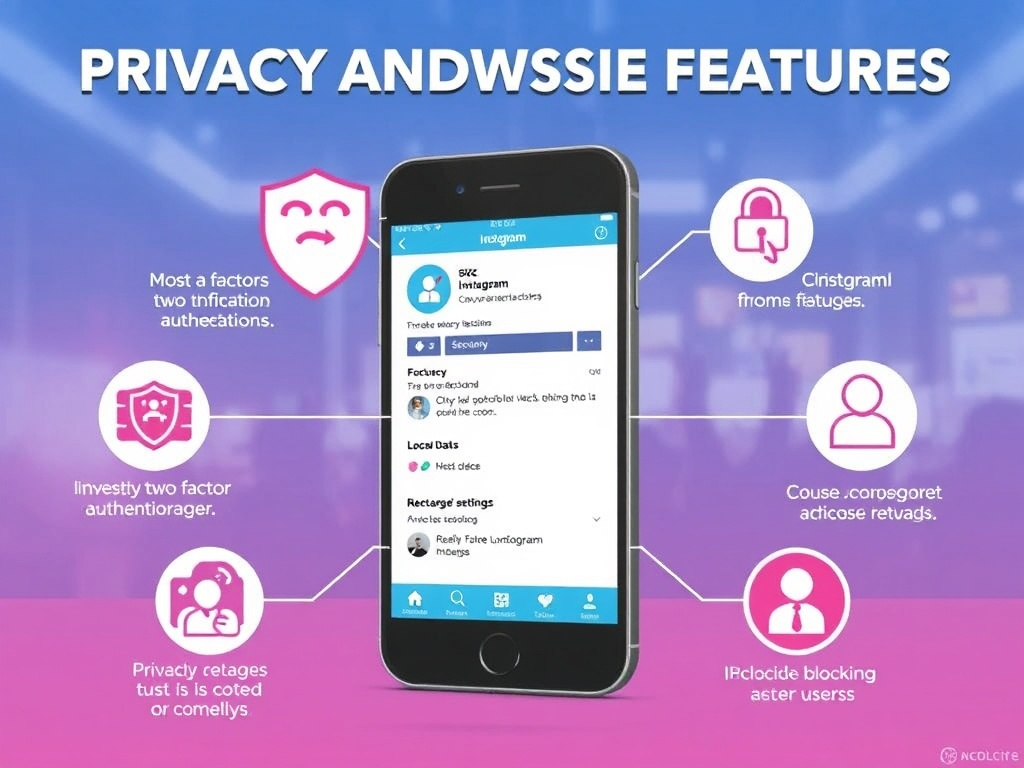
i̇ns is designed with privacy as a core principle. Data is encrypted and decentralized, meaning no single entity controls it. Users can selectively share credentials, reducing exposure. The system also supports multi-factor authentication and blockchain verification, preventing unauthorized access. These features make i̇ns ideal for sensitive activities like financial transactions, identity verification, and professional networking, where privacy and security are paramount.
i̇ns for Businesses
Businesses can leverage i̇ns to verify customer identities instantly, streamline onboarding, and reduce fraud. By integrating i̇ns, companies improve trust and transparency, enhancing customer confidence. The system also allows secure employee identity management and cross-platform credential sharing. With increasing regulatory demands around data protection, adopting i̇ns helps businesses stay compliant while offering users a safe and efficient verification experience.
Cross-Platform Integration
i̇ns supports seamless integration with social media platforms, e-commerce, and Web3 services. This interoperability allows users to verify identity across apps without repeatedly sharing sensitive information. Businesses can automate verification workflows, while users maintain control of their data. Cross-platform integration ensures a consistent digital identity experience and encourages widespread adoption, as trust and convenience are central to the i̇ns ecosystem.
Real-Life Use Cases
Individuals use i̇ns for social media verification, financial apps, and secure logins. Professionals can validate credentials and portfolios without third-party checks. Companies use i̇ns to prevent fraud and streamline employee onboarding. Even government agencies explore blockchain-based i̇ns verification for secure public services. These real-world applications demonstrate how i̇ns is revolutionizing digital identity management across sectors, combining security, efficiency, and user control.
Also read this: Fbox Free Streaming Guide: Best Movies and Shows in HD Online
i̇ns and Data Ownership
With i̇ns, users own their digital data completely. Unlike centralized platforms, no third party can sell or misuse the information. This ownership ensures accountability and trust while empowering users to share only necessary information. Blockchain provides immutable records, making identity verification reliable and auditable. Full data ownership is a major step forward in digital rights, allowing individuals to control who sees their personal and professional credentials.
Future Trends in i̇ns
Experts predict i̇ns adoption will expand rapidly in 2026, driven by privacy concerns and the rise of Web3 platforms. Integration with AI for identity verification, support for decentralized finance, and government adoption are expected. Innovations will focus on increasing user control, improving cross-platform compatibility, and simplifying verification processes. As trust and security become top priorities online, i̇ns is positioned as a leading digital identity solution.
i̇ns for Professionals
Professionals benefit from i̇ns by showcasing verified credentials and portfolios without risking data leaks. Recruitment processes become smoother, and remote work verification improves. Users can link professional achievements to blockchain-verified profiles, enhancing credibility. This system reduces reliance on traditional certificates and ensures authenticity in online professional networking, giving career-oriented individuals a competitive advantage.
Common i̇ns Mistakes to Avoid
Users sometimes share private keys insecurely, store backup phrases improperly, or link unverified accounts. Avoiding these mistakes is crucial to maintain security. Always use official wallets, enable multi-factor authentication, and update credentials regularly. Understanding the system prevents identity theft and ensures the integrity of digital identity verification across platforms, maximizing the benefits of i̇ns adoption.
Also read this: Pertadad Explained: Complete Guide to Benefits, Uses, and Safety Tips
Tools Supporting i̇ns

Various wallets, apps, and platforms now support i̇ns. They enable secure profile creation, authentication, and cross-platform verification. Tools offer analytics, alerts, and data management features to help users monitor identity usage. Businesses can integrate APIs for customer verification. Choosing the right tools enhances security, convenience, and overall experience with i̇ns, ensuring users fully leverage its decentralized capabilities.
Expert Tips for Beginners
Start by understanding blockchain basics and secure key management. Create your i̇ns profile on verified platforms, link only trusted accounts, and regularly update credentials. Engage with tutorials and communities for insights. Following expert guidance ensures safe adoption, protects privacy, and maximizes the benefits of i̇ns, making it accessible for individuals and businesses new to digital identity systems.
Conclusion
In conclusion, digital identity is becoming a central element of online life in 2026, shaping how individuals interact, verify themselves, and build their presence on the internet. As digital platforms expand across banking, education, healthcare, and social networks, secure and reliable digital identities are essential for accessing services and maintaining trust online. Technologies such as AI-powered verification, biometrics, and decentralized identity systems are transforming how identity is managed while giving users more control over their personal data. At the same time, growing concerns about privacy, fraud, and data ownership highlight the need for stronger security and transparent identity systems. Ultimately, understanding and managing digital identity will be crucial for individuals and organizations seeking to thrive in an increasingly connected digital world.
FAQs About i̇ns
1. What is digital identity?
Digital identity refers to the online information and credentials that represent a person, organization, or device on the internet, such as usernames, passwords, biometric data, and online profiles.
2. Why is digital identity important in 2026?
Digital identity is important because it allows secure access to online services like banking, healthcare, education, and social platforms while protecting users from fraud and identity theft.
3. What technologies are shaping digital identity trends?
Key technologies include artificial intelligence (AI), blockchain, biometric authentication (fingerprint and facial recognition), and decentralized identity systems.
4. What is decentralized digital identity?
Decentralized digital identity is a system where individuals control their personal data instead of relying on a central authority or platform to manage their identity.
5. How does digital identity improve online security?
It improves security through advanced authentication methods such as multi-factor authentication, biometrics, and encrypted identity verification systems.
6. What are the risks associated with digital identity?
Common risks include data breaches, identity theft, privacy violations, and misuse of personal information if security systems are weak.
7. How can individuals protect their digital identity?
People can protect their digital identity by using strong passwords, enabling two-factor authentication, avoiding suspicious links, and regularly monitoring their online accounts.
For more info: usasparktime.com
