
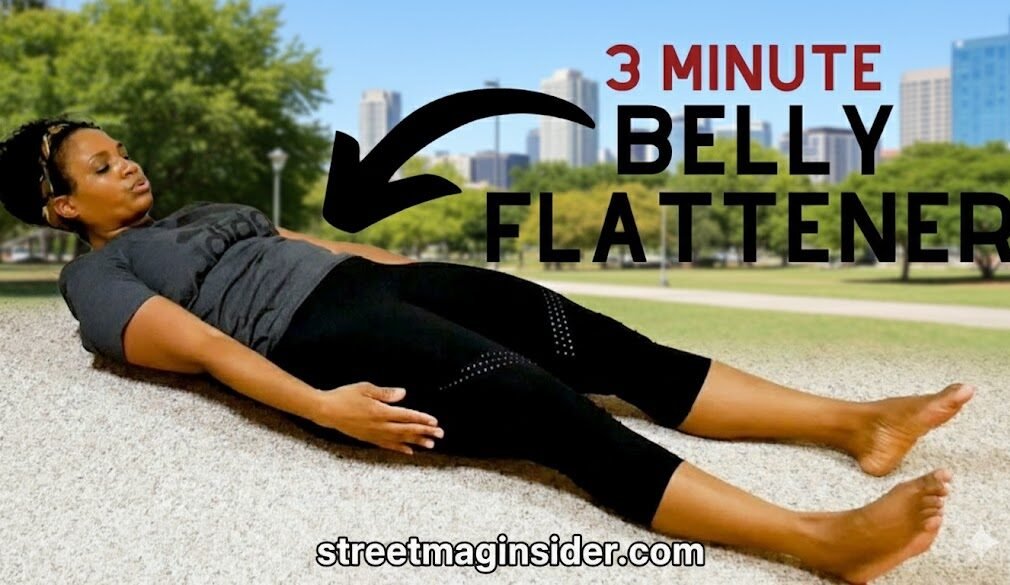
Many people struggle with fat in the upper pubic area, commonly known as FUPA. This stubborn fat can affect confidence, clothing fit, and overall body shape. While genetics and hormones play a role, targeted FUPA exercises, combined with proper diet and lifestyle changes, can significantly reduce this fat over time. Understanding FUPA is essential before starting any exercise routine. It’s not just about aesthetics; strengthening the core and lower abdominal muscles improves posture, stabilizes the pelvis, and supports overall health. In this guide, we’ll explore the best FUPA exercises, backed by research, practical routines, and lifestyle tips to help you achieve noticeable results safely. By the end of this article, you’ll have a complete blueprint: exercises, endurance training, nutrition, and even medical options if needed.
What Is a FUPA Workout?
A FUPA workout focuses on exercises that target fat and muscle in the upper pubic area while engaging the lower abs, deep core, and hip stabilizers. While spot reduction is partially controversial, combining core exercises, strength training, and cardio can lead to visible changes in this stubborn area. FUPA exercises are versatile and include bodyweight moves like planks and knee tucks, as well as resistance exercises using dumbbells, kettlebells, or machines. These workouts strengthen the deep abdominal muscles, improve core endurance, and enhance calorie burn, helping reduce lower abdominal fat gradually. With consistency, a structured FUPA workout routine reduces fat, tones the mons pubis area, improves posture, and supports functional strength.
Understanding FUPA: Causes and Risk Factors
The fat upper pubic area can appear due to various factors. Genetics and hormones play a primary role, but lifestyle choices heavily influence fat accumulation. Elevated cortisol from stress, poor sleep, and high-calorie diets often contribute to fat storage in this area. Women may notice fat accumulation post-pregnancy due to stretched abdominal muscles, while men often experience it from weight gain and reduced activity. Other contributing factors include insulin resistance, aging, and prior surgeries. Lifestyle changes are crucial alongside exercises, including regular physical activity and cardio, a balanced calorie deficit diet, and stress management.
Anatomy of FUPA: Where Fat Accumulates
FUPA fat accumulates in the mons pubis, the fatty tissue covering the pubic bone. Beneath this layer lie the lower abdominal muscles, which often weaken due to poor posture, sedentary lifestyle, or pregnancy. Strengthening these muscles is key to reshaping this area. The panniculus, or fatty apron, may also contribute to a pronounced FUPA. Engaging the deep core muscles through FUPA exercises, combined with fat-burning strategies, gradually reduces fat while improving muscle tone. Targeted exercises also improve pelvic stability, enhance blood flow, and prevent discomfort caused by weak lower abdominal muscles.
Can You Spot Reduce Fat?
Spot reduction—losing fat in one area—is often debated. While overall fat loss is essential, targeted exercises strengthen and slightly shape the lower abdominal region, including the FUPA area. Movements like planks, leg raises, and knee tucks activate deep abdominal muscles, improving muscle tone under the fat. Combining these with cardio and a calorie deficit accelerates visible results. Strengthening muscles under the FUPA for better contour, incorporating HIIT workouts or moderate-intensity cardio to burn calories, and maintaining a healthy diet emphasizing lean protein, hydration, and anti-inflammatory foods all help in accelerating FUPA fat reduction effectively.
Studies That Prove You Can Target Belly Fat
Several studies show that combining core exercises with cardio helps reduce lower abdominal fat. Participants performing planks and leg raises alongside regular cardio experienced a noticeable decrease in abdominal fat over 8–12 weeks. HIIT workouts also proved effective, targeting stubborn fat areas, including the lower belly and upper pubic region. Strength training increases muscle mass, boosting metabolism and toning the core. These studies demonstrate that a structured FUPA exercise routine, combined with diet and lifestyle adjustments, is the most effective approach for reducing fat in the upper pubic area.
Spot Reduction Study 1
One study had participants perform planks, leg raises, and knee tucks for 12 weeks. Results showed a reduction in lower abdominal fat and improved core strength. The study highlighted the importance of muscle activation under the FUPA to enhance appearance even before full fat loss occurs. Performing planks three to four times per week and including leg raises and knee tucks in 2–3 sets of 12–15 reps each was found to maximize results for FUPA reduction. Consistency and progressive overload, gradually increasing sets, reps, or resistance, are key to achieving optimal outcomes.
Spot Reduction Study 2
Another study focused on Pilates Hundred, pike rollouts, and hip lifts. Participants performing these exercises four to five times a week, combined with light cardio, improved deep abdominal muscle activation, posture, and slightly reduced mons pubis fat. The study emphasized including exercises targeting hip flexors, lower abs, and deep core muscles, gradually increasing intensity with resistance bands or ankle weights, and combining them with HIIT or moderate cardio for best results.
FUPA Workout Methodology
A successful FUPA workout routine balances core exercises, cardio, and strength training. Beginners should start with bodyweight FUPA exercises at home, such as planks, knee tucks, bicycle crunches, and flutter kicks. Intermediate and advanced exercisers can add kettlebells, resistance bands, or machines to enhance resistance. Each session should last 30–45 minutes, focusing on 3–5 exercises in a circuit style to optimize calorie burn. Warm-ups and stretching are essential to prevent injury and improve flexibility. The goal is to strengthen deep abdominal muscles, improve pelvic stability, and accelerate FUPA reduction.
Also read this: Diagnvsh Explained: Everything You Need to Know Today
Abdominal Endurance Training for FUPA
Endurance exercises targeting the lower abs and deep core, such as bicycle crunches, pelvic tilts, and flutter kicks, are essential for FUPA reduction. These moves enhance stamina, improve posture, and create a toned lower belly appearance. Performing two to three sessions per week, gradually increasing duration and repetitions, ensures long-term effectiveness. Controlled movements are critical for fully engaging the muscles while avoiding jerky motions. Complementing dynamic movements with planks further enhances deep core activation.
FUPA Workout Exercises
A comprehensive FUPA workout routine includes Hanging Knee Raises, Planks, Kettlebell Marches, Flutter Kicks + Leg Raises, Knee Tucks, and the Roller Ab Crunch Machine. Hanging Knee Raises engage lower abs and hip flexors, planks build overall core stability, kettlebell marches add resistance and tone the lower belly, flutter kicks and leg raises improve endurance, knee tucks target deep abdominal muscles, and the roller ab crunch machine provides advanced core strength. Performing these exercises in a structured manner, gradually increasing intensity, and combining them with moderate cardio ensures optimal FUPA fat reduction.
Hanging Knee Raises
Hanging Knee Raises involve hanging from a bar and lifting the knees toward the chest slowly, then lowering in a controlled manner. This exercise strengthens the lower abs and hip flexors and improves core stability. Beginners can perform bent-knee variations, while advanced users may add ankle weights for resistance.
Planks
Planks involve keeping forearms and toes on the floor while maintaining a straight back and tight core, with variations including side planks and plank with knee tucks. Planks strengthen the entire core, improve posture, and support pelvic stability, making the FUPA area appear more toned over time.
Kettlebell Marches
Kettlebell Marches involve holding a kettlebell close to the chest and marching the knees alternately, engaging lower abs and hip flexors. This dynamic exercise increases calorie burn while sculpting the upper pubic area. Proper form ensures maximum engagement of deep abdominal muscles.
Flutter Kicks + Leg Raises
Performed lying on the back with hands under the glutes, flutter kicks and leg raises target stubborn fat in the lower abdominal area. Controlled movements improve endurance, tone deep core muscles, and enhance pelvic stability. This combination is effective for home workouts without equipment.
Knee Tucks
Knee Tucks, performed on a bench or stability ball, strengthen deep abdominal muscles while improving core endurance. By bringing the knees toward the chest and extending slowly, this exercise enhances lower abdominal tone and contributes to FUPA reduction.
Roller Ab Crunch Machine
The Roller Ab Crunch Machine is an advanced tool for deep core engagement. By rolling forward to engage the abs and returning slowly, this exercise targets lower abdominal muscles and helps sculpt the upper pubic area. Proper form is crucial to avoid strain on the lower back.
Nutrition and Diet Tips for FUPA Fat Loss
Nutrition plays a critical role in FUPA fat reduction. A diet rich in lean protein, adequate hydration, and anti-inflammatory foods such as leafy greens, berries, and fatty fish supports muscle recovery, metabolism, and overall fat loss. Avoiding processed foods, sugary drinks, and high-fat snacks accelerates results when combined with FUPA exercises.
Lifestyle Changes to Support FUPA Reduction
Lifestyle habits significantly affect fat storage and reduction. Stress reduction through meditation, yoga, or deep breathing helps regulate cortisol, which contributes to fat storage. Proper sleep of seven to nine hours per night supports metabolism and muscle recovery. Maintaining an active lifestyle with walking, running, or cycling ensures continuous calorie burning and promotes sustainable FUPA reduction.
Medical and Surgical Options for FUPA Fat
When exercise and diet alone are insufficient, medical and surgical options can be considered. Non-invasive options like CoolSculpting or other fat removal devices can reduce small amounts of stubborn fat. Surgical procedures such as liposuction, monsplasty, or a tummy tuck may be recommended for excess fat or skin. Consulting a certified professional ensures safe and effective intervention.
Conclusion
Reducing FUPA fat requires a multifaceted approach combining targeted FUPA exercises, cardio, calorie deficit, proper diet, lifestyle changes, and medical options if necessary. Consistency ensures a toned upper pubic area, stronger core, improved posture, and long-term results. Following a structured routine while maintaining proper nutrition and lifestyle habits is essential for visible and sustainable fat reduction.
FAQs About FUPA Exercises
1. What are FUPA exercises?
FUPA exercises are targeted workouts that strengthen the lower abs, deep core, and hip flexors to reduce fat in the upper pubic area. They include planks, leg raises, and knee tucks.
2. Can FUPA exercises remove fat at home?
Yes, bodyweight FUPA exercises performed consistently at home, combined with cardio and a healthy diet, can reduce fat and tone the upper pubic area effectively.
3. How long does it take to see results from FUPA exercises?
With regular workouts and proper diet, most people notice visible changes in 6–8 weeks, depending on overall body fat and metabolism.
4. Are FUPA exercises different for men and women?
The core movements are similar, but women may emphasize pelvic stability post-pregnancy, while men can add resistance or HIIT for faster results.
5. Can diet alone reduce FUPA fat?
Diet helps reduce overall body fat, but targeted FUPA exercises are essential to tone the lower abdominal area and reshape the mons pubis.
6. Which exercises are most effective for stubborn FUPA fat?
Hanging knee raises, planks, flutter kicks, and the roller ab crunch machine effectively engage deep abdominal muscles to target stubborn FUPA fat.
7. Do lifestyle habits affect FUPA reduction?
Yes, stress management, quality sleep, hydration, and regular physical activity all support fat loss and improve results from FUPA exercises.
For more info: usasparktime.com
