
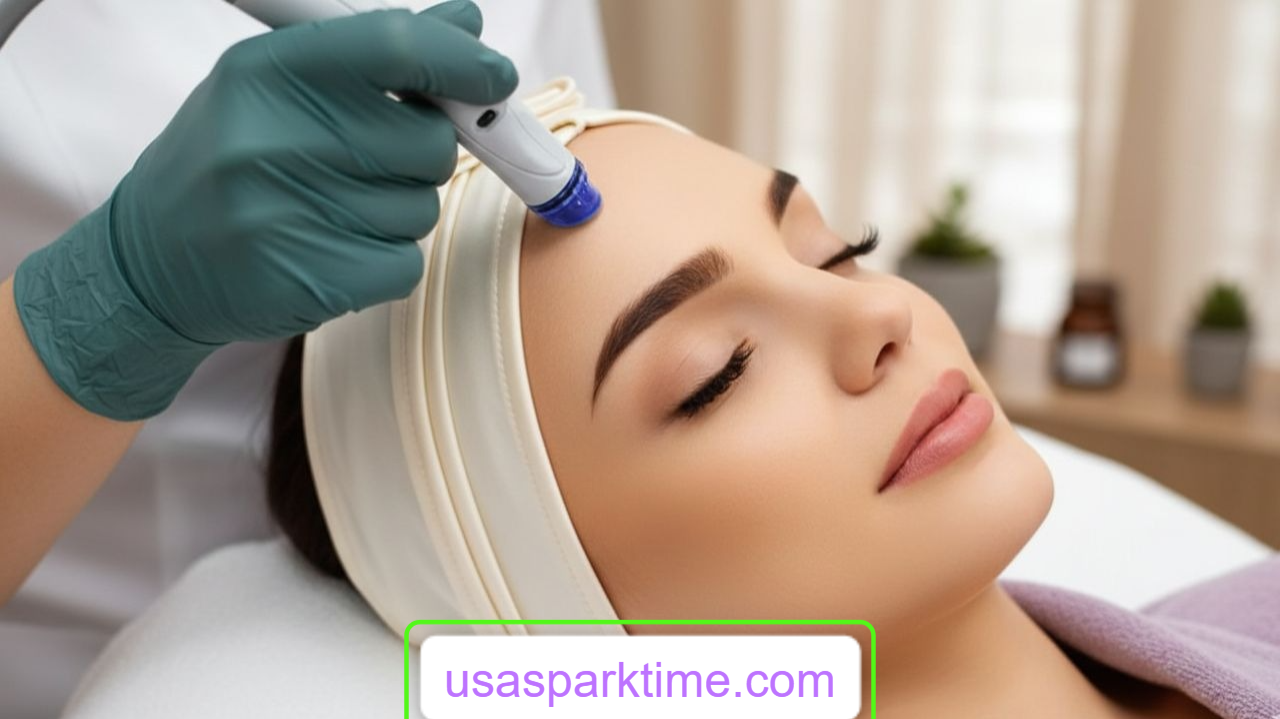
Cellulogia can be effectively managed through a combination of clinically proven treatments and lifestyle changes. Non-surgical methods such as targeted exercises, massage therapy, and scientifically tested topical creams are effective for mild cases, helping improve circulation, strengthen connective tissue, and reduce fat deposits. Advanced options like laser and light-based therapies work for more persistent or severe cases, stimulating collagen production and improving skin elasticity. Invasive procedures are generally reserved for serious cases and require professional consultation. Avoid unverified creams, home remedies, or quick-fix solutions, as these often provide little to no improvement. A combination of proper treatment, healthy diet, exercise, and consistent care ensures long-term improvements in skin texture and appearance.
Cellulogia is a common condition that affects the skin’s texture, causing uneven dimpling most often on thighs, hips, and buttocks. It occurs when fat deposits push through connective tissue, and while it is not harmful, it can impact confidence and self-image, especially among teens and young adults. Treatments vary in effectiveness, from lifestyle interventions like targeted exercise, massage, and proper diet, to professional procedures like laser therapy, subcision, or radiofrequency treatments. Topical creams may offer mild improvements, but only evidence-based methods deliver noticeable results. This article explores all treatment options, highlighting what works, what fails, and how to maintain results long-term. By understanding causes, myths, and treatment effectiveness, readers can make informed decisions and achieve smoother, healthier, and more confident skin.
Introduction to Cellulogia: Understanding the Condition
Cellulogia is a common skin condition characterized by dimpling, uneven texture, and a “cottage cheese” appearance, most often seen on the thighs, hips, and buttocks. It occurs when fat deposits push through connective tissue beneath the skin, and while it is not harmful, it can significantly affect confidence and self-esteem, especially among teens and young adults. Genetics, hormonal changes, and lifestyle factors such as poor diet, sedentary habits, and smoking can influence its severity, making some individuals more prone to developing noticeable dimpling. Understanding how Cellulogia develops is essential for choosing the most effective treatment options, as addressing both the underlying causes and the visible symptoms produces the best results. While mild cases may respond well to lifestyle adjustments, moderate to severe cases often require a combination of non-surgical and professional treatments for visible improvement.
Common Causes of Cellulogia You Need to Know
Several factors contribute to the development of Cellulogia. Genetics influence how fat is stored and connective tissue structure, making some individuals more predisposed to visible dimpling. Hormonal fluctuations during puberty, pregnancy, or menopause can also exacerbate the condition, as hormones affect fat distribution and skin elasticity. Lifestyle choices such as poor diet, lack of physical activity, smoking, and dehydration can worsen the appearance. Understanding these causes is critical because it helps guide the choice of treatments. By targeting the underlying contributors—such as improving circulation, toning muscles, and maintaining healthy skin—individuals can effectively reduce Cellulogia over time. Awareness of these causes also helps prevent new or worsening dimpling, ensuring that treatments are more effective and long-lasting.
How Cellulogia Affects Skin and Confidence
Beyond its physical appearance, Cellulogia can have a psychological impact, affecting self-esteem and body image. Many teens and young adults feel self-conscious about wearing certain clothing or participating in activities like swimming, gym, or sports due to visible dimples. Even mild Cellulogia can create stress or anxiety about one’s body, especially in social situations. Educating oneself about the condition is essential, as it is common and treatable. Focusing on evidence-based treatments allows individuals to regain control over their skin appearance while building confidence. In combination with lifestyle improvements and professional therapies, these methods help restore both the physical and mental well-being of those affected by Cellulogia.
Top Proven Treatments for Cellulogia That Actually Work
Non-Surgical Options for Treating Cellulogia
Non-surgical treatments are often the first line of defense for mild to moderate Cellulogia. Targeted exercises, such as squats, lunges, and leg lifts, tone muscles beneath the affected areas, reduce fat layers, and improve skin firmness. Cardiovascular workouts help burn overall body fat, which can minimize dimpling. Massage therapy, using rollers or manual techniques, stimulates blood circulation, breaks down fat deposits, and improves lymphatic drainage. Consistency is critical; visible improvement generally occurs after several weeks of regular exercise and massage. These methods are safe, cost-effective, and suitable for teens and adults, making them ideal for anyone seeking non-invasive ways to reduce Cellulogia.
Laser and Light-Based Therapies: Do They Help?
Laser treatments are increasingly popular for persistent or severe Cellulogia. They function by stimulating collagen production, tightening skin, and reducing fat deposits beneath the surface. Multiple sessions are often required to achieve optimal results, with studies showing up to 70% improvement in some patients. Although effective, these procedures can be costly and must be performed by certified dermatologists to ensure safety. Laser therapy is especially suitable for those who do not respond well to lifestyle changes or topical treatments, and combining it with exercise and diet further enhances results.
Topical Creams and Serums: What Works vs. What Doesn’t
Topical treatments can complement other therapies but rarely provide dramatic improvement alone. Creams containing caffeine, retinol, or peptides may tighten skin slightly, improve circulation, and support connective tissue health. Many over-the-counter products, however, exaggerate claims of instant results. Using clinically tested creams consistently, alongside exercise, massage, or professional treatments, can yield mild improvements. Avoid unverified products, as they often waste time and money without producing measurable results. The key is integrating creams as part of a broader, scientifically supported treatment plan.
Also read this :Nomurano: History, Heritage, and Unforgettable Experiences
Diet and Lifestyle Changes to Reduce Cellulogia
A healthy lifestyle significantly contributes to managing Cellulogia. A balanced diet rich in vegetables, lean proteins, whole grains, and healthy fats helps minimize fat deposits beneath the skin. Proper hydration supports skin elasticity, while avoiding excessive sugar, processed foods, and smoking prevents worsening. Daily activity, including strength training and cardio, enhances circulation and tones muscles. Lifestyle adjustments complement professional treatments, ensuring long-term results. Combining nutrition, exercise, and other therapies creates a comprehensive approach, addressing both the appearance and causes of Cellulogia, leading to smoother, healthier skin.
Exercise and Targeted Workouts for Smoother Skin
Targeted workouts are essential for reducing the appearance of Cellulogia. Resistance exercises strengthen muscles in the thighs, glutes, and core, reducing underlying fat and improving skin texture. Cardio exercises like running, cycling, or swimming burn fat and improve circulation, further minimizing dimpling. High-intensity interval training (HIIT) is particularly effective for teens and adults looking for efficient fat reduction. Consistent exercise not only improves skin appearance but also boosts confidence and overall health. Pairing workouts with proper nutrition and other treatments produces the most visible and lasting results for managing Cellulogia effectively.
Medical Procedures for Severe Cellulogia Cases
For severe or stubborn Cellulogia, medical procedures offer significant improvements. Treatments such as subcision, radiofrequency therapy, and liposuction target fat deposits, stimulate collagen production, and enhance skin elasticity. While more invasive, these options provide longer-lasting results than non-surgical methods. Consulting a certified dermatologist or plastic surgeon ensures safety and effectiveness. Combining medical procedures with lifestyle adjustments like exercise and diet maximizes outcomes and helps maintain smoother skin over time. These interventions are generally recommended when non-invasive options fail to produce sufficient improvement.
Common Myths About Cellulogia Treatments Debunked
Several myths surround Cellulogia, which can mislead teens and adults. One common misconception is that only overweight individuals develop it; in reality, Cellulogia affects all body types due to genetics, hormones, and connective tissue structure. Another myth is that creams alone can eliminate dimpling, which is not accurate, as most topical products provide only minor improvement. Understanding these myths helps users focus on evidence-based treatments that genuinely work. By separating facts from false claims, individuals can make informed choices and avoid wasting time or money on ineffective remedies.
How to Choose the Right Cellulogia Treatment for You
Selecting the most suitable treatment depends on severity, goals, and personal preferences. Mild cases often respond well to exercise, massage, and topical creams, while moderate to severe Cellulogia may require laser therapy or other medical interventions. Consulting a dermatologist or certified clinician helps tailor a safe and effective plan. Evaluating factors such as cost, convenience, expected results, and recovery time ensures the chosen method aligns with the individual’s needs. Combining multiple approaches—lifestyle changes, non-invasive treatments, and professional procedures—usually yields the best outcomes.
Cost and Effectiveness: Comparing Popular Cellulogia Solutions
Non-surgical methods like exercise, massage, and creams are cost-effective, safe, and widely accessible but require consistent effort for visible results. Advanced procedures like laser therapy, radiofrequency treatments, and subcision offer faster, more noticeable improvements but are generally more expensive. Assessing cost versus effectiveness helps users make informed decisions based on their budget and desired results. Long-term success depends not only on the chosen treatment but also on maintaining healthy habits, including exercise, diet, and skincare routines. Combining approaches ensures lasting improvements.
Maintaining Results: Long-Term Strategies to Keep Cellulogia at Bay
Maintaining smooth skin requires ongoing care. Regular exercise, balanced nutrition, hydration, and consistent skincare routines help prevent recurrence. Periodic use of non-invasive treatments, such as massage or topical creams, supports skin elasticity and circulation. Avoiding crash diets, prolonged inactivity, and smoking helps sustain results. A holistic approach addressing both lifestyle and treatments ensures that improvements are long-lasting. Teens and adults who adopt consistent preventive measures are more likely to enjoy smoother skin and greater confidence over time.
Conclusion & Call-to-Action
Cellulogia is manageable with a strategic combination of lifestyle changes, exercise, and clinically proven treatments. While creams and home remedies offer limited improvement, consistent use of non-invasive and medical procedures provides the most effective results. Understanding causes, myths, and treatment options allows informed decision-making and realistic expectations. Start today by integrating exercise, proper diet, and professional guidance to achieve smoother, healthier skin, boost confidence, and maintain long-term results.
FAQs
Q1: Can exercise completely remove Cellulogia?
Exercise improves muscle tone, reduces fat layers, and enhances skin texture but rarely eliminates Cellulogia completely. Combining workouts with other treatments yields the best results.
Q2: Are creams effective for severe Cellulogia?
Creams may offer mild improvements, particularly for early-stage cases, but severe Cellulogia typically requires medical or professional interventions for visible changes.
Q3: How long does it take to see results?
Non-surgical methods usually show improvements in 6–8 weeks, while advanced procedures may provide faster, more significant results depending on severity.
Q4: Is Cellulogia hereditary?
Yes, genetics influence connective tissue and fat distribution, making some individuals more prone to developing noticeable dimpling.
Q5: Can diet alone reduce Cellulogia?
Diet helps reduce fat deposits and supports skin health, but combining it with exercise and professional treatments produces optimal outcomes.
Q6: Are laser treatments safe for teens?
Non-invasive laser therapies can be safe for older teens with dermatologist approval, but professional guidance is essential.
Q7: Do massages really help with Cellulogia?
Regular massage improves blood circulation, breaks down fat deposits, and supports skin elasticity, making it a valuable part of a treatment routine.
For more info :usasparktime.com
