
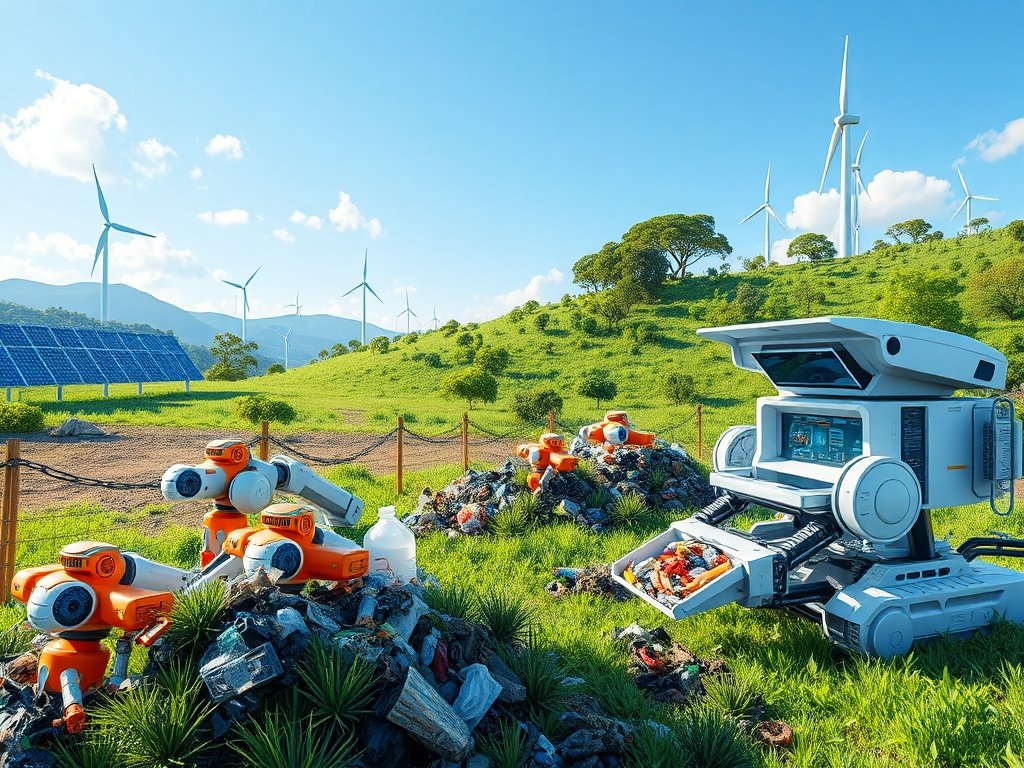
MataRecycler uses advanced AI technology to revolutionize waste sorting. It identifies, separates, and organizes recyclable materials efficiently, reducing human error and environmental impact. This smart system makes recycling faster, more sustainable, and cost-effective, paving the way for a cleaner, greener future. By combining artificial intelligence with eco-friendly practices, MataRecycler is shaping the future of waste management worldwide.
MataRecycler is a cutting-edge AI system designed to transform how waste is managed globally. Traditional recycling often relies on manual sorting, which is slow, inconsistent, and prone to mistakes. MataRecycler automates this process, using intelligent algorithms to identify different materials and sort them accurately. Beyond efficiency, it promotes sustainability by reducing landfill waste and minimizing environmental harm. Businesses, municipalities, and individuals can benefit from its seamless integration into existing recycling workflows. With MataRecycler, artificial intelligence isn’t just a tech innovation—it’s a practical tool that drives the future of eco-friendly waste management, ensuring smarter, cleaner, and greener communities for generations to come.
What is MataRecycler?
MataRecycler is an advanced AI-powered waste sorting system designed to improve recycling efficiency. It uses machine learning and computer vision to detect and classify materials accurately. By automating waste separation, MataRecycler minimizes human error and increases processing speed. Its technology allows municipalities, businesses, and recycling centers to handle large volumes of waste sustainably. This system ensures that recyclable materials are correctly sorted, reducing contamination and improving the overall effectiveness of recycling programs, making it a critical solution for future-focused environmental management.
How AI Transforms Waste Sorting
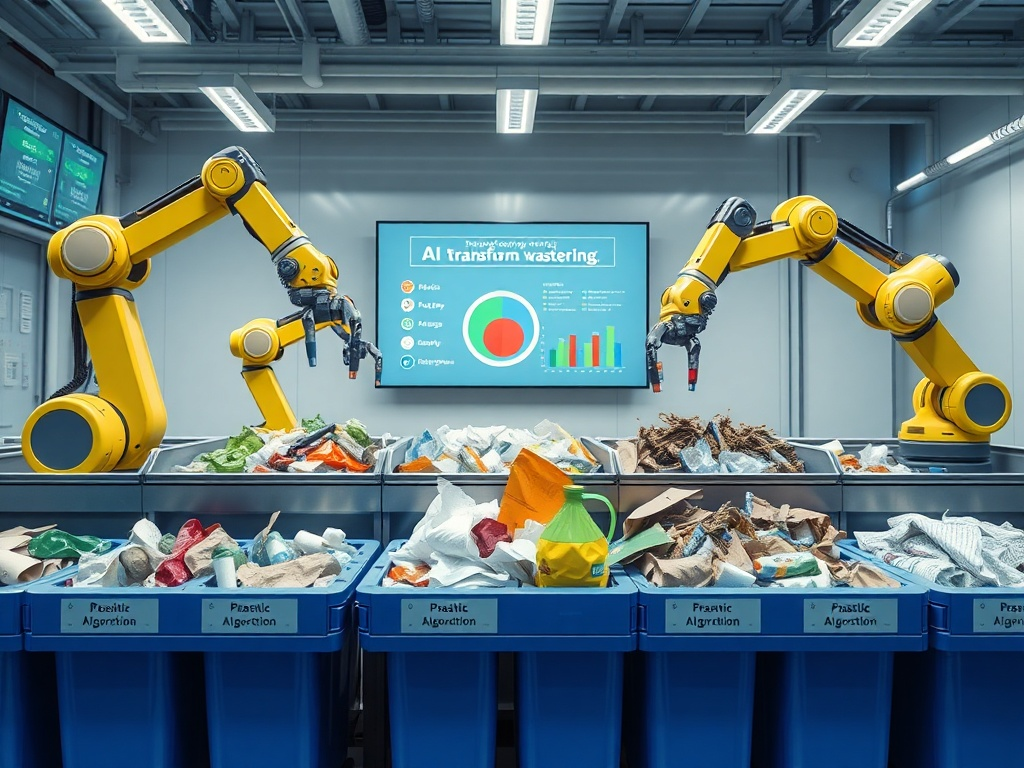
Artificial intelligence in MataRecycler streamlines waste management by identifying various types of recyclables, such as plastics, metals, and paper. Traditional methods rely on manual labor, which is slow and error-prone. AI technology accelerates sorting processes and reduces contamination in recycling streams. Machine learning algorithms continuously improve their accuracy, learning from new materials and waste patterns. This ensures consistent quality and maximizes the amount of recyclable material recovered. By integrating AI, MataRecycler contributes to sustainability and environmental protection, demonstrating how technology can lead the way in shaping a cleaner, greener future.
Tracking Recyclables for Sustainability Goals
AI-powered sorting technologies like MataRecycler do more than just separate materials—they make it possible to monitor recycling with unprecedented detail. By capturing data on the types and quantities of recyclables processed, these systems set a reliable foundation for measuring progress. This precise tracking allows businesses, municipal programs, and policymakers to:
- Benchmark current recycling rates and identify improvement areas
- Set informed sustainability targets based on real-world data
- Compare and analyze trends across different regions and facilities
As organizations aim for national and global recycling milestones—such as achieving a 50% recycling rate—granular data becomes a powerful tool. It transforms recycling from a broad aspiration into a measurable, accountable process. In practice, this means decision-makers can pinpoint gaps, allocate resources more effectively, and celebrate meaningful wins along the path toward a truly circular economy.
Benefits of AI in Sustainable Recycling
Using AI for waste sorting brings several benefits. MataRecycler reduces landfill waste, lowers operational costs, and ensures precise material separation. It also supports eco-friendly practices by preventing recyclable materials from being improperly disposed of. Companies adopting AI-based recycling systems improve their environmental impact while increasing productivity. The technology is scalable, making it suitable for small recycling centers as well as large municipal facilities. By providing a sustainable solution, MataRecycler empowers communities to adopt smarter recycling practices, ultimately contributing to global efforts against pollution and climate change.
Waste Generation and Recycling Rates Around the World
When it comes to waste generation, the United States stands out, with individuals producing around 1,800 pounds of waste per person each year. However, despite ongoing recycling initiatives, only about a quarter of this waste is actually recycled. This means the majority still ends up in landfills or as environmental pollutants.
Comparatively, some countries have made greater strides in managing their waste output. For example, South Korea recycles nearly 60% of its total waste, while Germany isn’t far behind, successfully reclaiming about half of its discarded materials. These nations set the benchmark for sustainable waste management, showing that higher recycling rates are possible with the right policies and technology in place.
How MataRecycler Works
MataRecycler operates by scanning waste items using advanced sensors and AI algorithms. The system identifies materials based on shape, color, and composition, then directs them to appropriate bins or processing areas. Over time, the AI improves its accuracy through machine learning, handling new materials more efficiently. This automated approach minimizes human intervention, increases sorting speed, and ensures more recyclables are successfully recovered. The technology is designed for seamless integration into existing recycling operations, making it easy for organizations to upgrade their waste management systems while promoting sustainability.
Real-World Applications of MataRecycler
MataRecycler is not limited to industrial facilities—it can be implemented in various settings. Cities can adopt it for municipal waste collection, while businesses can use it in offices, factories, and warehouses. Schools and public institutions also benefit from AI-assisted sorting, educating communities on sustainability. By applying MataRecycler in multiple contexts, organizations reduce operational costs and environmental impact simultaneously. Its versatile design ensures that a wide range of users can contribute to smarter waste management, aligning with global sustainability goals and supporting eco-friendly initiatives at every level.
Environmental Impact of AI Waste Sorting
MataRecycler significantly reduces environmental pollution by ensuring recyclable materials are correctly separated. Mismanaged waste contributes to landfills, water contamination, and greenhouse gas emissions. AI-based sorting prevents these problems by improving recycling accuracy and efficiency. By diverting more waste from landfills, MataRecycler helps conserve natural resources and promotes a circular economy. Communities adopting such technology contribute to cleaner environments, demonstrating how AI solutions can play a pivotal role in achieving sustainability and environmental responsibility.
Cost-Effectiveness of MataRecycler
Although AI systems require initial investment, MataRecycler is cost-effective in the long run. Automated sorting reduces labor costs and minimizes waste-related expenses. It also maximizes the recovery of valuable materials, turning recyclables into revenue opportunities. By improving operational efficiency, organizations can offset initial costs quickly. Moreover, AI reduces mistakes that can be costly in traditional recycling. Over time, the system pays for itself while promoting sustainability, making it an economically smart choice for municipalities, recycling centers, and businesses committed to environmental responsibility.
Future Trends in AI Recycling
The future of waste management lies in integrating AI and robotics. MataRecycler exemplifies how intelligent systems can make recycling smarter and more efficient. Future developments may include enhanced material recognition, predictive waste management, and fully autonomous recycling centers. AI could also link recycling data with city infrastructure, optimizing waste collection routes and resource allocation. As technology evolves, systems like MataRecycler will lead the way, ensuring that sustainable practices are accessible, scalable, and increasingly effective, shaping the future of global recycling initiatives.
How Businesses Can Benefit
Businesses adopting MataRecycler gain both economic and environmental advantages. Automated sorting increases efficiency, reduces operational costs, and ensures compliance with environmental regulations. Companies can demonstrate corporate responsibility while improving productivity. Additionally, by recovering more recyclable materials, businesses create potential revenue streams. AI-assisted recycling can also enhance brand reputation, appealing to eco-conscious consumers. Implementing MataRecycler aligns business operations with sustainability goals, showcasing how innovative technology can simultaneously support profitability and environmental stewardship.
Also raed this: Fbox Free Streaming Guide: Best Movies and Shows in HD Online
MataRecycler vs Traditional Methods
Traditional waste sorting relies heavily on human labor and manual processes, which are slow and prone to errors. MataRecycler’s AI system outperforms these methods by delivering consistent, accurate, and faster results. Contamination in recyclable streams is minimized, recovery rates improve, and operational efficiency increases. While traditional systems struggle with large volumes, MataRecycler scales easily to handle diverse waste types. Its innovative approach makes it a game-changer, demonstrating how AI can replace outdated methods while creating a more sustainable future.
Integration into Municipal Systems
Cities can integrate MataRecycler into existing municipal recycling infrastructure. Smart AI systems help optimize collection routes, reduce labor needs, and increase recycling efficiency. Municipalities adopting such technology can achieve environmental targets while managing costs effectively. Public awareness campaigns combined with AI adoption encourage citizen participation. By making recycling easier and more accurate, MataRecycler strengthens urban sustainability programs and supports long-term ecological goals, positioning cities as leaders in environmental innovation.
The Ongoing Role of Human Responsibility
While AI-powered systems like MataRecycler revolutionize waste management, the human element remains essential for real change. Advanced technology can streamline sorting and improve recycling rates, but responsible daily habits are the true foundation of sustainable waste reduction.
Individuals play a pivotal role by correctly separating recyclables, minimizing single-use plastics, and actively choosing to reuse or repurpose items. These small but consistent actions—sorting waste at home, composting food scraps, and choosing reusable bags—amplify the positive impact of smart recycling technology.
By pairing innovative tools with conscious behavior, communities can drastically cut landfill contributions and drive a shift toward greener living. Technology is the accelerator, but responsible human decision-making is the engine behind lasting environmental progress.
Educating Communities
MataRecycler is also a tool for education. Schools, universities, and community centers can demonstrate AI-assisted recycling to promote sustainable habits. By showing how technology improves efficiency and reduces waste, people understand the importance of proper recycling. This educational approach fosters a culture of environmental responsibility, ensuring that future generations adopt sustainable practices. AI thus not only serves a functional purpose but also inspires awareness and action among individuals and communities.
Scalability and Adaptability
One of MataRecycler’s strengths is its adaptability. The system can scale from small facilities to large industrial operations. AI algorithms adjust to different types of waste streams and volumes, ensuring consistent performance. Whether in urban centers or rural areas, MataRecycler provides a flexible solution for waste management challenges. Its scalable design makes it accessible for various organizations, helping communities of all sizes adopt sustainable recycling practices efficiently and cost-effectively.
Challenges and Considerations
Despite its advantages, implementing AI-based waste sorting requires planning. Initial setup costs, staff training, and integration into existing workflows are critical considerations. Data accuracy and system maintenance also influence performance. However, the long-term benefits—efficiency, sustainability, and cost savings—far outweigh the challenges. By addressing these factors, organizations can successfully adopt MataRecycler, positioning themselves at the forefront of innovative, eco-friendly waste management solutions.
Conclusion
MataRecycler represents the future of sustainable waste sorting. By leveraging AI, it enhances recycling accuracy, reduces environmental impact, and improves operational efficiency. From businesses to municipalities, this smart technology offers scalable, cost-effective solutions while promoting sustainability. As AI continues to evolve, systems like MataRecycler will define the next generation of waste management, creating cleaner communities and a greener planet. Adopting such innovations ensures that sustainability and efficiency go hand in hand, shaping a better future for all.
FAQs
Q1: What is MataRecycler?
A: MataRecycler is an AI-powered system for sustainable waste sorting.
Q2: How does MataRecycler improve recycling?
A: It uses AI to identify, separate, and sort materials accurately.
Q3: Is MataRecycler cost-effective?
A: Yes, it reduces labor costs and maximizes material recovery.
Q4: Can businesses use MataRecycler?
A: Absolutely, it’s suitable for offices, factories, and recycling centers.
Q5: Does it reduce environmental impact?
A: Yes, it minimizes landfill waste and improves recycling efficiency.
Q6: How scalable is MataRecycler?
A: It works for small facilities and large industrial operations alike.
Q7: Is AI safe to use in recycling?
A: Yes, it’s fully automated and reduces human error in sorting.
For more info: usasparktime.com
